FALL SHOE EVENT
Up to 18% OFF
Up to 18% OFF




 2 to 5 Inches Taller Instantly
  2 to 6 Inches Taller Instantly
Wide elevator shoes start with a wider base pattern before adding the lift, so your foot has room to sit naturally.
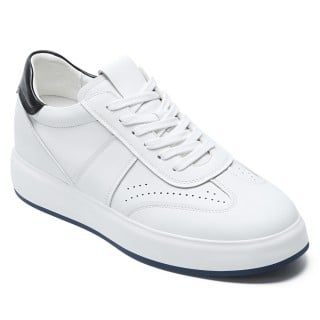


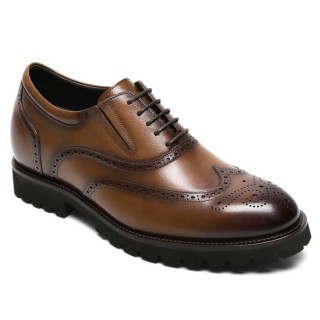
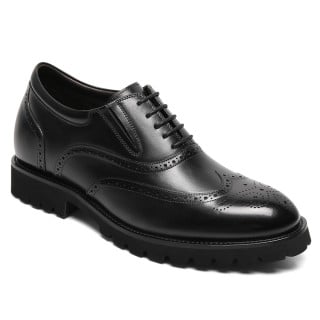


Wide versions use a wider last to give your forefoot room even after the lift is installed. If your foot is already wide, a standard-width elevator shoe will pinch across the ball, cramp your toes, or rub blisters along the sides.
Shoe widths follow a letter system. Not every brand uses the same scale, but the general pattern:
| Width Code | Fit |
| B | Narrow (women's standard) |
| D | Medium (men's standard) |
| E / EE | Wide |
| EEE / EEEE | Extra wide |
Most elevator shoe from Chamaripa default to D width. If you need E or wider, this collection lists width options — not just "wide fit" as a marketing label with no measurement behind it.
People with naturally wide feet. Some feet are wider across the ball and toes. Forcing them into standard-width elevator shoes causes pain within an hour.
Feet that swell during the day. Common if you stand or walk for work. Feet can expand half a size by evening. A shoe that fits at 9 AM squeezes by 3 PM — elevator shoes make this worse because some lift limits interior room.
Anyone with bunions, hammertoes, or orthotics. These conditions demand extra forefoot width. Custom orthotics add bulk too. Wide elevator shoes give clearance to fit everything without crushing your toes.
Copyright © 1996 - 2026 CMR Chamaripa ® All Rights Reserved.