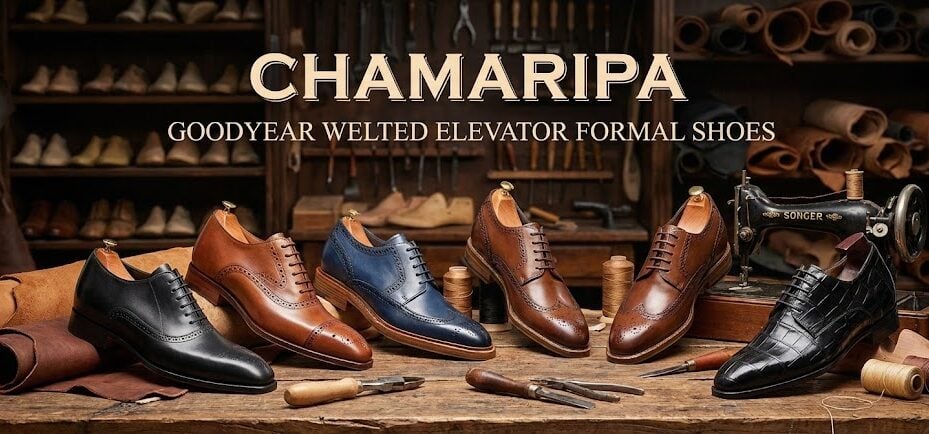
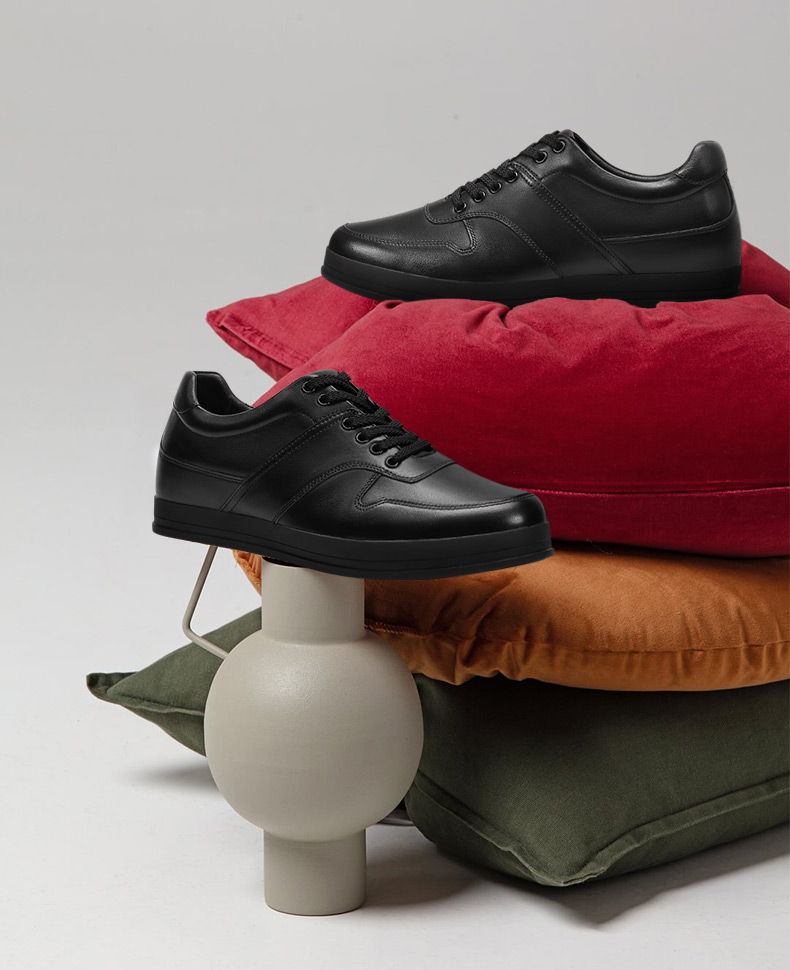
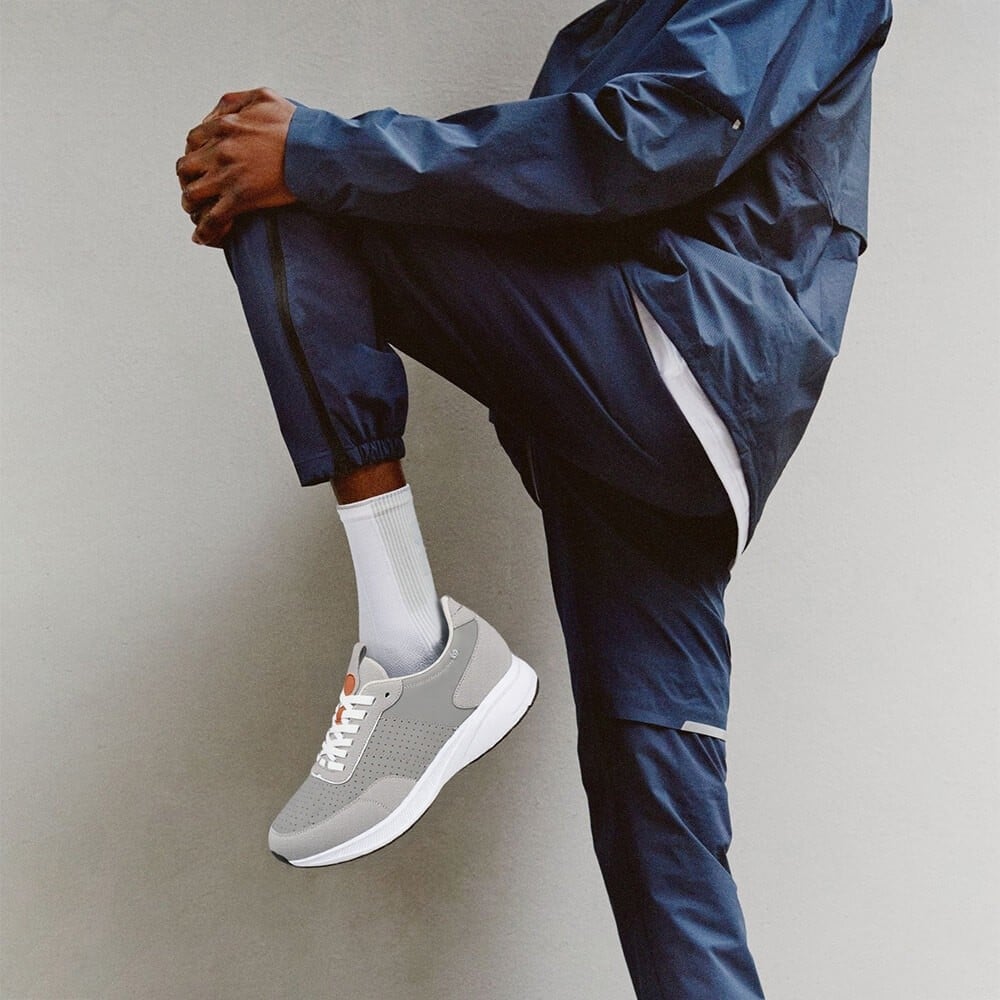
Elevator shoes have become a rising trend in both fashion and function, offering individuals a discreet way to enhance their height while maintaining style and confidence. Whether you’re exploring elevator shoes for men or browsing elevator shoes for women, comfort is often the first concern that comes to mind. After all, what good is added height if your feet hurt all day?
Modern elevator shoes have evolved far beyond the stiff, uncomfortable versions of the past. Thanks to advances in design and materials, many height increasing shoes now provide ergonomic support, cushioned insoles, and breathable uppers for all-day wear. But how do they really feel on your feet, especially during extended use?
In this guide, we’ll take a closer look at what you can expect when it comes to comfort, and how to choose the right pair of elevator shoes that fit not only your style—but your feet too.
Why Do People Wearing Elevator Shoes?
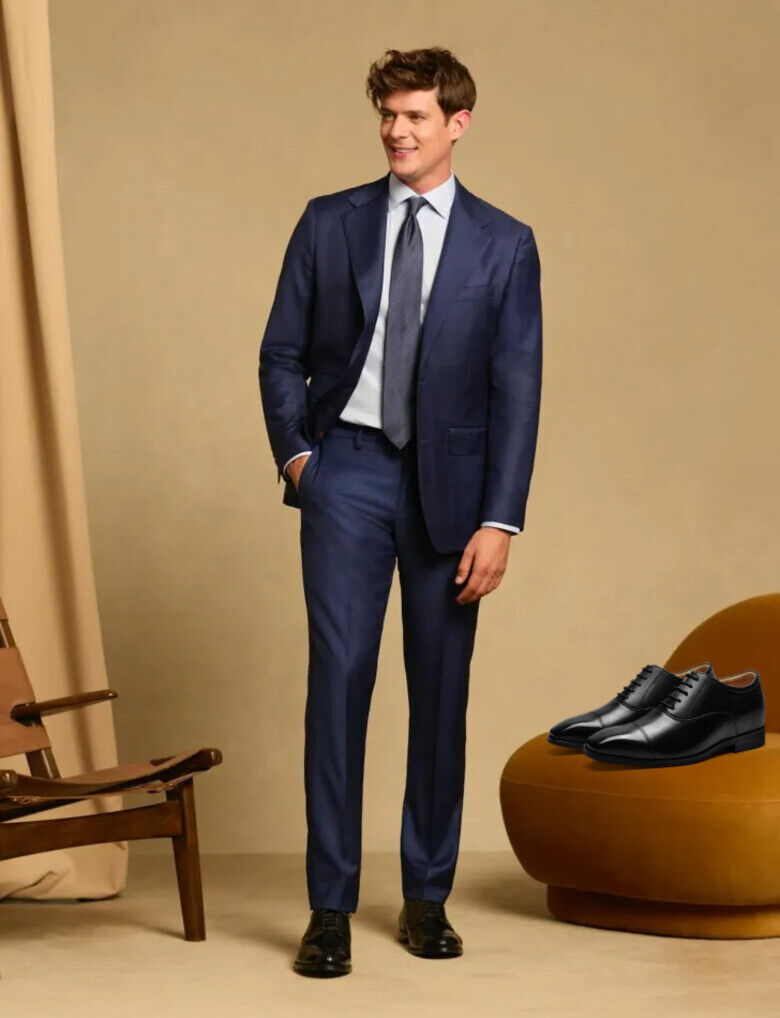
In today’s fashion-forward world, elevator shoes are more than just a secret weapon for adding a few extra inches—they’re a growing part of personal style and confidence. People wear elevator shoes for many reasons: to feel more self-assured in social settings, to appear taller in professional environments, or simply to enhance posture and presence. This trend spans across all genders, with both elevator shoes for men and elevator shoes for women gaining popularity in casual, formal, and even athletic styles.
Unlike older designs, today’s elevator shoes are crafted with comfort and aesthetics in mind. From weddings and business meetings to casual dates or everyday wear, modern height increasing shoes are almost indistinguishable from regular footwear. They feature hidden lifts, ergonomic soles, and premium materials, allowing wearers to enjoy both style and comfort.
As influencers and celebrities openly embrace elevator shoes, they’ve become a widely accepted accessory. Whether for a confidence boost or a polished look, more people are discovering how seamlessly elevator shoes can fit into their wardrobes—and their lives. Even in the entertainment industry, it has become an open secret that celebrities wear height increasing shoes. Compared with medical treatments that may require risks, height increasing shoes can achieve instant height increase on a physical level and are very popular. They allow people to break through their inherent height disadvantages and achieve ideal height increase.
What are the Main Factors That Affect the Comfort of Height Increasing Shoes?
When it comes to elevator shoes, comfort is just as important as the added height. Several key factors influence how comfortable a pair of elevator shoes will feel during daily wear.
- Insole Design & Cushioning
The insole is the foundation of any comfortable shoe. For height increasing shoes, the internal lift must be ergonomically shaped to support the arch and heel. High-quality insoles with memory foam or air-cushioned layers significantly reduce foot fatigue, especially for extended wear.The design of elevator shoes needs to be scientific and the curve design needs to be reasonable. Only in this way can the internal layers of the shoes be increased according to the bone structure of the human foot and the mechanical force principle, and the layers are consistent with the soles of the feet. In this way, the discomfort of wearing can be reduced. - Shoe Material
Breathable, flexible materials like premium leather or soft textilesallow better air circulation and movement. This matters for both elevator shoes for menand elevator shoes for women, as poor-quality materials can lead to stiffness, blisters, or overheating. The breathable and lightweight inner layer reduces the load and is elastic, which can help reduce shock. The appropriate inner layer can protect the feet and other related parts of the human body. The inner layer with good breathability can wick away sweat and deodorize, preventing the feet from being in unhygienic conditions. - Overall Fit and Sizing
Unlike regular shoes, elevator shoesrequire precise sizing to account for the internal lift. A proper fit ensures even weight distribution, reducing pressure points and improving balance. - Outsole Structure
A well-constructed outsole absorbs shock and offers stability. Lightweight rubber or EVA foam soles are commonly used to maintain both height and walking ease.
In short, the best elevator shoes combine thoughtful design, quality materials, and supportive construction. Whether you’re choosing elevator shoes for men or women, paying attention to these comfort factors ensures your height increasing shoes are not just stylish—but wearable all day.
Common Misunderstandings About the Comfort of Elevator Shoes
While elevator shoes have gained popularity in recent years, several misconceptions still surround their comfort and wearability. Let’s break down four common misunderstandings:
- “Elevator shoes are always stiff and painful.”
Not true. Modern elevator shoesare designed with ergonomic insoles and soft linings that offer great support. Premium models often feel just as comfortable as regular sneakers or loafers. - “They’re only for special occasions.”
While some people buy elevator shoes for menor elevator shoes for women to wear at weddings or interviews, many models are now designed for daily wear—featuring breathable fabrics and flexible outsoles for long-term comfort. In the modern world where people are increasingly pursuing fashion and individuality, height increasing shoes have become an open secret. More and more styles have been introduced, making it possible to wear elevator shoes in informal occasions. For formal occasions, you can choose Monkstrap, Loafers, Derby/Blucher and Oxfords. For informal occasions, you can choose Boat Shoes, Moccasins, Loafers/Slip-ons and Semi-casual.

- “Height increasing shoes look bulky or unnatural.”
Advancements in design make many elevator shoessleek and discreet. The added height is built internally, maintaining a natural silhouette. - “All elevator shoes feel the same.”
Comfort varies greatly depending on materials, insole quality, and construction. Choosing well-reviewedelevator shoes tailored to your foot shape makes a significant difference.
Please understand these misunderstandings when choosing height increasing shoes to avoid sacrificing the comfort you could have pursued.
Easy Steps to Choose Comfortable Elevator Shoes
Finding a pair of elevator shoes that’s both stylish and comfortable doesn’t have to be complicated. Follow these easy steps to ensure your next pair of elevator shoes fits just right and feels great all day.
- Know Your Ideal Height Boost
Start by determining how much elevation you really need. Some prefer subtle lifts, while others seek the full 7cm boost many height increasing shoesoffer. Choose based on comfort, not just appearance.If it is your first time trying elevator shoes, it is best to choose 5 to 7 cm according to experts’ advice. Too high a height may cause discomfort. - Prioritize Insole Quality
Comfort begins inside the shoe. Look for cushioned, ergonomic insoles that offer arch support and shock absorption. This is crucial for both elevator shoes for menand elevator shoes for womenwho plan to wear them frequently. - Choose Breathable Materials
Materials like leather or mesh-lined uppers allow airflow and reduce sweating, improving long-term comfort. - Consider Sole Flexibility
The outer sole should provide grip without being too rigid. Flexible soles adapt better to your walking style and terrain. - Test Before Committing
If possible, try them on indoors and walk around. The best elevator shoesshould feel stable, secure, and pressure-free.
With the right selection process, your elevator shoes can be just as comfortable as your everyday footwear—while giving you that confidence-boosting lift.
Real Experience from Elevator Shoes Wearers
Many wearers of elevator shoes report noticeable boosts—not just in height, but also in self-confidence and social comfort. Take Jason, a 29-year-old marketing executive, for example. Standing at 5’7″, Jason always felt slightly overlooked during professional networking events. After trying a pair of premium elevator dress shoes with a 7cm lift, he described the experience as “subtly empowering.” “It wasn’t just about looking taller,” he says, “but about feeling on equal footing—literally and metaphorically—with my peers.”
On the other hand, Mia, a 32-year-old wedding planner, wears elevator shoes for women regularly, especially when attending formal events. “They give me a lift without the discomfort of high heels,” she shares. For Mia, the discreet elevation provides better posture and elegance without sacrificing all-day wearability.
Tom, a university student, uses more casual height increasing shoes—sneaker-style elevator shoes that give him a 6cm boost. “No one ever noticed,” he laughs. “But I felt a lot more confident speaking in front of class.”
These real-world examples highlight that elevator shoes aren’t just about appearance. When well-chosen for comfort and quality, they can positively impact confidence, posture, and overall presence—without anyone ever guessing the secret. Whether in formal or casual settings, users consistently report that the right pair of elevator shoes makes all the difference.
Conclusion: So, Are Elevator Shoes Comfortable?
In conclusion, elevator shoes can absolutely be comfortable—if you choose the right pair. While early versions of height increasing shoes had a reputation for stiffness or awkward posture, today’s designs have come a long way in merging elevation with ergonomics. Whether you’re looking into elevator shoes for men to enhance your formal appearance or prefer stylish, subtle elevator shoes for women for casual outings, comfort now plays a key role in design.
Non-invisible high-heeled shoes with stilettos will make you look better, but you will feel more tired when walking, not to mention wearing them for a long time.
Ordinary height increasing shoes made by adding insoles to ordinary shoes are not ideal. Because some of their materials do not have the function of pressure resistance and recovery elasticity. This kind of ordinary height-increasing insoles will be flattened after a period of use and cannot be restored, and it is easy to lose the height-increasing effect. The height-increasing part of this kind of ordinary insole-type height increasing shoes is mainly at the heel of the shoe, so there will be a dragging feeling when walking. In addition, adding height-increasing insoles to ordinary shoes will also be unfavorable to the force on the foot and affect the bones of the foot.
The height-increasing layer of elevator shoes is different from the commonly used height-increasing insoles. It supports a larger area of the sole of the foot and the force is more uniform. The sole of the foot is relatively flat when walking, and there will be no problem of excessive force on the forefoot due to the low front and high back. Therefore, elevator shoes are obviously more comfortable and flatter than high-heeled shoes with stilettos and ordinary insole-type height increasing shoes. At present, PU air cushion shockproof elevator shoes are products of new processes and technologies, which are comfortable and elastic to wear.
The key lies in selecting well-crafted shoes made from breathable materials, with properly cushioned insoles and arch support. Additionally, choosing the right height level that aligns with your posture and walking habits is essential for long-term comfort. From office settings to weekend strolls, many wearers report feeling just as comfortable in elevator shoes as they do in traditional footwear.
Ultimately, elevator shoes are no longer just a fashion fix—they are a confidence-boosting solution that doesn’t require sacrificing comfort. By focusing on fit, materials, and purpose, you can easily find a pair that supports your lifestyle while giving you that extra edge in both height and self-assurance.
FAQ Session – What you may interested in
1. Are elevator shoes bad for posture?
Yes. Elevator shoes can help align your body and improve your posture, but it’s essential to be mindful of your stance. Choose a comfortable height, ensure adequate arch support, and stay mindful of your body alignment to get the full benefits.
2. Are 2-inch elevator shoes noticeable?
No. 2-inch lifts are noticeable as they border on the line of being just enough for most people to notice (provided they already know you.) For perspective, 2 inches is almost half the length of an iPhone SE model, so as is the case, a 1-inch lift is discreet enough, 2 inches or more and you’ll risk getting “noticed.”
3. How much do elevator shoes increase height?
Pure elegance could be used to describe our collection of elevator shoes which look like classic standard shoes from the outside, but are built-up internally to offer a hidden height increase of anything from 2 to 6 inches, depending on the design and style.
4. Can people tell elevator shoes?
No. Your friends, your partner, none of them are going to notice if you go for elevator shoes in that three inch area. In fact it’s a good place to start your journey with elevator shoes. It’s the kind of thing that you yourself are aware of – “I am much taller” – but no one else is.
Tags:
elevator shoes elevator shoes for men
elevator shoes for women height increasing shoes