Unlike traditional height elevating shoes such as platform soles or visible heels, elevator shoes offer a more discreet solution by concealing the lift inside the shoe itself. This hidden height increasing layer is what sets elevator shoes apart—allowing the wearer to appear taller without drawing attention. Whether you’re wearing formal elevator shoes to a meeting or casual elevator shoes on the weekend, the added height stays your little secret. This makes elevator shoes for men an ideal choice for those who want a confidence boost without compromising on style or subtlety.
In the sections ahead, we’ll take a closer, science-based look at what makes elevator shoes so unique. From their internal structure and how they work, to thoughtful design elements, leather types, Goodyear welt construction, and practical tips for daily wear—we’ll explore every detail that makes these shoes a truly refined alternative to conventional height elevating options.
How do Elevator Shoes Work?
The structure of elevator shoes is what makes them truly unique among all height elevating shoes. From the outside, they look like regular footwear—whether you’re wearing formal elevator shoes or casual elevator shoes—but inside, a clever design does all the work. From bottom to top, the main components include the outsole, height increasing layer, insole, and upper.

Outsoles can be made from various materials like plastic, wood, or rubber. For durability, comfort, and grip, rubber foam or natural rubber is the preferred choice. One common misconception is that the external heel adds height. In fact, the outer heel height is the same as in normal shoes, making elevator shoes for men nearly impossible to distinguish from regular footwear.
The real lift comes from the height increasing layer inside, which raises the heel naturally. Above it, the insole ensures comfort, and the upper conceals the structure entirely. But what’s the science behind this smart construction? Let’s dive deeper into that next.
The Engineering Behind Elevator Shoes
A common concern for first-time buyers is: Are elevator shoes comfortable? The answer lies in the science behind their construction. High-quality elevator shoes, whether casual elevator shoes or formal elevator shoes, are engineered with biomechanics and long-term wear in mind—addressing comfort as a core design principle. This is why crafting excellent elevator shoes for men demands both skill and technical understanding.
The outsole plays a crucial role in absorbing shock from the ground, protecting tendons and bones from excessive strain. A well-designed outsole offers firmness and slope to distribute body weight evenly and relieve pressure points across the foot.
Next is the height increasing layer—the true core of all height elevating shoes. Top-tier designs use 100% polyether increasers, which outperform typical EVA foams in resilience and shape memory. They maintain their height over time, resist deformation, wick moisture, and are free from heavy metals and irritants. The ideal incline angle is 15°, based on human physiological mechanics, while the optimal hardness is scientifically measured at 65° (acceptable range: 60–70°). Too soft, and you risk instability and ankle strain—something real users have reported.
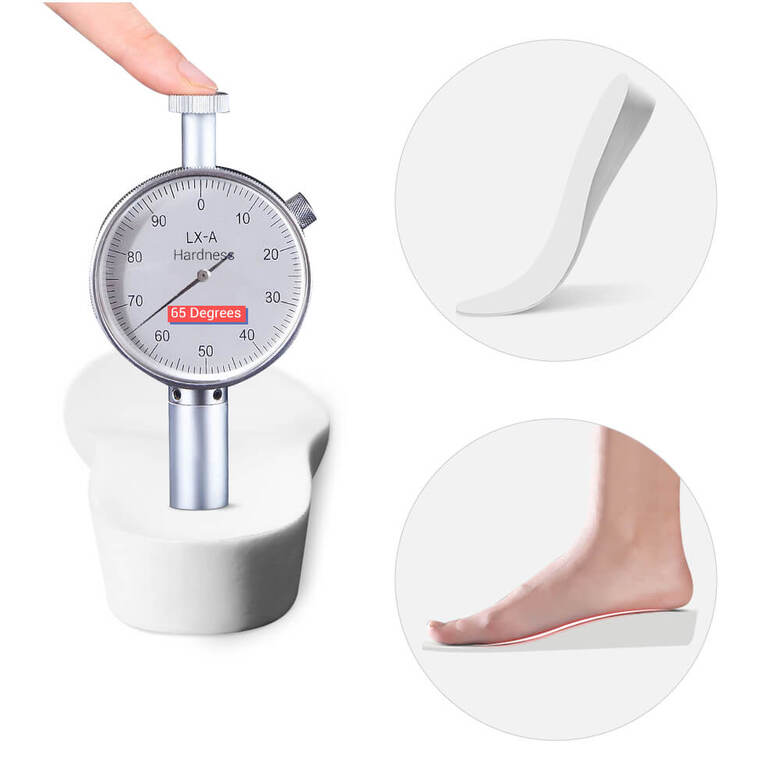
To enhance shock absorption, the insole above the height layer provides extra cushioning. Some shoemakers go further with a “one last, one size, one height layer” philosophy, ensuring each pair of elevator shoes offers precise, reliable comfort.
What Should You Know When Wearing Elevator Shoes?
Some simple and pratical elevator shoes care tips that will last longer and keep your elevator shoes in shape if you are in a casual elevator shoes,formal elevator shoes or any type of men elevator shoes:
- Avoid water washing: Never soak or machine-wash elevator shoes. Water can damage the internal height increasing layer, leading to loss of structure and comfort. Instead, gently wipe the surface with a soft, damp cloth.
- Skip harsh cleaners: Do not use chemical cleaning agents. Many high-quality height elevating shoescontain natural oils in the materials that react over time to enhance comfort. Harsh substances may disrupt this process.
- Wear them regularly: It’s best to wear your elevator shoes at least once a week. If left unused for long periods, leather and materials may stiffen—unless properly conditioned with leather oil.
- Basic daily care: After each wear, clean surface dust with a soft cloth, insert shoe trees, and store them in a cool, dry place. For extra care, apply mink oil to maintain softness and flexibility.
- Safety in wet conditions: Rubber outsoles offer good grip, and even better after a bit of wear. But be cautious—on very wet surfaces, even the best soles may lose traction.
- Avoid sprinting: Even casual elevator shoes, such as elevator sneakers, are easy to move in. The inertia of sprinting is too great, and the slope inside the elevator shoes can easily cause the foot to slide forward. To avoid toe injuries, you should avoid sprinting when wearing elevator shoes.
Regular care keeps your elevator shoes performing and aging beautifully.
Various elevator shoes leather materials: What are their characteristics?
Selecting leather for that perfect elevator shoes will make not only your height, but also entire wears experiences, making a difference. So materials in short:
- Cowhide: Tough elastic and used in every day elevator shoes as well as formal elevator shoes. Natural material with gentle texture and fine pores, makes it a tidy and professional look.
- Sheepskin: softer and breathable than cowhide. Perfect for gentlemen that value comfort in their men elevator shoes.
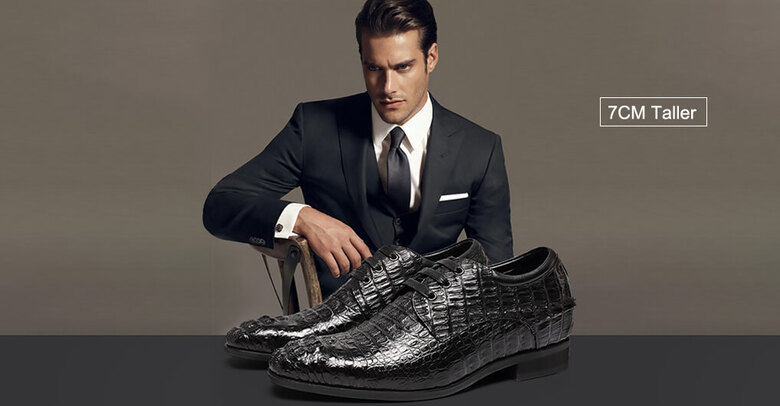
- Croc leather: Exotic and unmistakable, with full block seating patterns Absolutely for impressive curl height boosters.
- Lizard skin: Tight and slick, fine natural grains — key for infrequently-profiled exotic dress shoes.
- Ostrich leather– soft, easy to handle and has a striking, distinctive pattern of dots. Perfect for breathaidy-minded individuals.
- Cordovan Horsehide: very rare and smooth (mirror finish) commonly found in high end hand-crafted elevator shoes.
Different materials have different textures, durability and charisma — pick something that fits your life.
What Is Goodyear Welt and Why It Matters for Elevator Shoes
Many people unfamiliar with footwear craftsmanship often mistake “Goodyear” for a type of leather. In fact, it refers to the Goodyear welt construction, one of the most prestigious shoemaking techniques in the world. Invented by Charles Goodyear Jr. nearly 200 years ago, this method—also called the Goodyear welt process—is known for its durability, comfort, and repairability. The most recognizable feature is the visible welt stitch around the sole, but inside, another hidden stitch secures the structure.
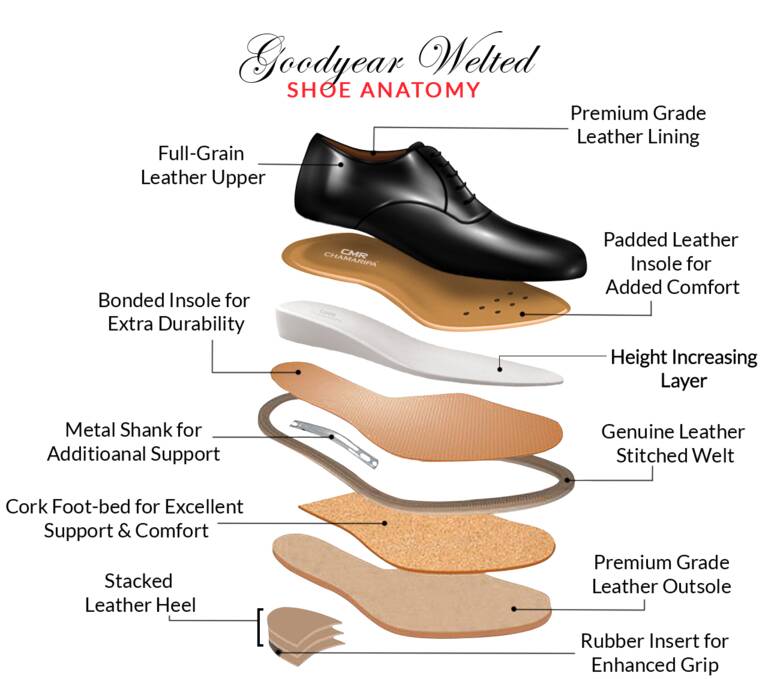
Goodyear elevator shoes—short for Goodyear welted elevator shoes—combine this time-honored construction with an internal height increasing layer, offering the wearer not just extra height, but also unmatched craftsmanship. These shoes are often handcrafted, making them a staple in high-end formal elevator shoes collections.
First-time users of Goodyear elevator shoes for men may find them stiff at first, which is completely normal. Made with multiple layers and cork filling, these height elevating shoes mold to your foot over time. The cork adapts to your walking pattern, improving comfort, support, and stability. With continued wear, your Goodyear elevator shoes become uniquely yours—customized by every step you take.
Conclusion
Elevator shoes may seem like they offer a kind of instant, invisible magic—but behind that subtle height boost lies thoughtful engineering and a deep understanding of human psychology. Far from being just fashion accessories, these shoes are built on a foundation of science: from their layered internal structure to ergonomically angled height increasing components, every detail is designed for both comfort and function. Whether you’re wearing casual elevator shoes for everyday ease or refined formal elevator shoes for business or events, the invisible lift stays discreet and natural.
Moreover, the choice of premium leathers—like cowhide, sheepskin, or even exotic options—adds comfort, personality, and style. For those who value craftsmanship, Goodyear welted elevator shoes offer durability and a personalized fit over time. Ultimately, elevator shoes for men are more than just height elevating shoes—they’re a thoughtful response to both physical and emotional needs, blending form, function, and confidence into every step.
FAQ
What is more expensive, alligator or crocodile shoes?
Alligator shoes are often more expensive because of several factors, including rarity, craftsmanship, and perceived exclusivity. Alligator skins are harder to source than crocodile skins, which adds to their rarity and increases their value in the luxury market.
Is crocodile leather worth it?
And yes, we chose the word “investment” intentionally — it’s no secret that crocodile leather is more expensive than other options, but its unmatched quality, longevity, and distinctive appearance are worth every penny.
How long does a Goodyear welt last?
The exact lifespan of a Goodyear-welted shoe can vary based on factors such as usage, climate, and maintenance. On average, heavily worn but well-maintained Goodyear-welted shoes can last between 5-10 years. A pair that is rotated out among a collection of shoes should last between 10 to 20 years.
Are Goodyear-welted shoes worth it?
While the initial cost of Goodyear-welted shoes may be higher than shoes made using other construction methods, their durability and ability to be resoled mean that they can provide excellent value for money in the long run.
Tags:
- Elevator shoes
- Elevator shoes for men
- Casual elevator shoes
- Formal elevator shoes
- Height elevating shoes