Yes, men’s high heel shoes — also known as elevator shoes — can be comfortable for everyday wear when they’re properly fitted and well made. Most wearers adjust within one to three days, and lifts between 5cm and 8cm tend to offer the most seamless all-day comfort, while lifts above 10cm are better suited to shorter periods of wear. The difference between a shoe that feels natural by lunchtime and one that leaves your feet aching comes down to three things: insole construction, how the height is distributed inside the shoe, and whether you’ve chosen a height that matches how you’ll actually use them.
Below, we break down exactly what affects comfort, how different heights feel in practice, and how to pick a pair that holds up to a full working day — whether you’re looking at our full men’s elevator shoes collection or narrowing in on a specific style.
What Actually Makes Elevator Shoes Comfortable (or Not)
Comfort in elevator shoes isn’t about the height alone — it’s about how that height is engineered. A well-made pair distributes your body weight evenly across a contoured insole rather than tilting your foot forward, which is what causes fatigue in cheaper designs.
Three features matter most:
- Ergonomic insole shape — a rounded, anatomically curved insole (rather than a flat wedge) keeps your foot in a natural position instead of forcing an unnatural incline.
- Breathable lining — leather or moisture-wicking linings reduce heat build-up, which matters more the longer you’re on your feet.
- Balanced weight distribution — the internal lift should sit under the arch and heel together, not just stacked under the heel, so your gait stays close to normal.
Poorly made lifts skip these details, which is where the “elevator shoes are uncomfortable” reputation comes from. It’s a build-quality issue, not something inherent to the category.
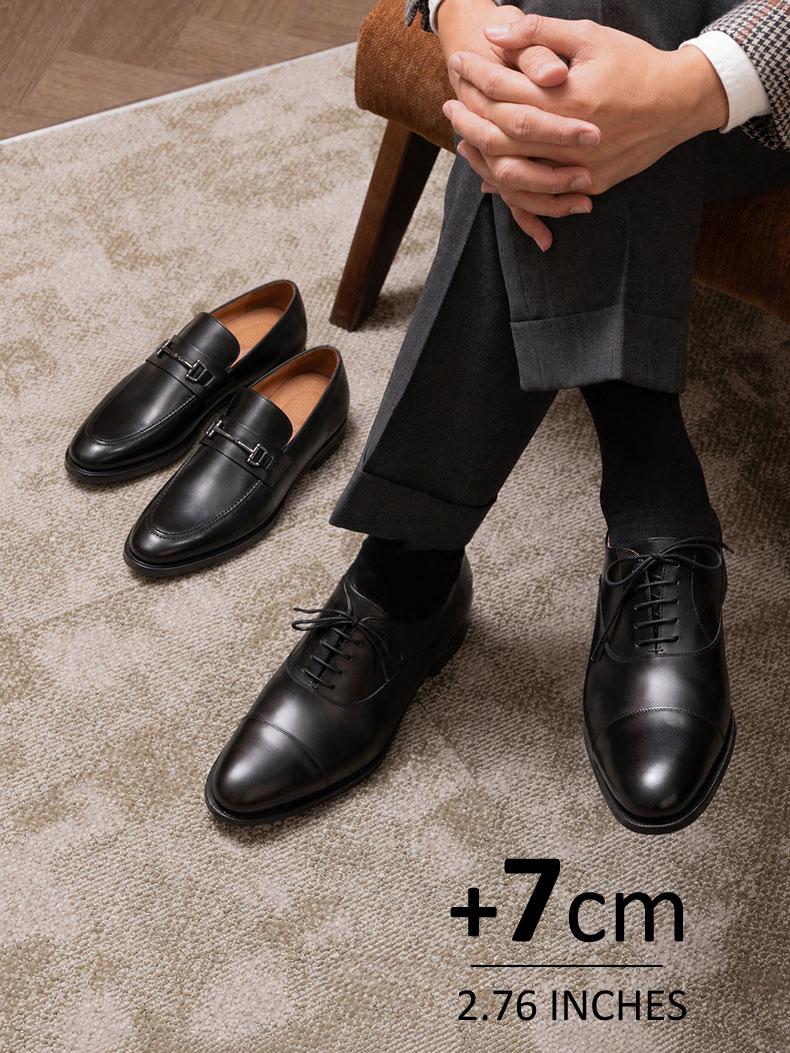
Comfort by Height: 2 Inches vs 3 Inches vs 4 Inches+
How comfortable a lift feels for daily wear depends heavily on how much height it adds. Here’s what to expect at each range:
2-3 Inches: Near-invisible, all-day comfortable
At this range, the adjustment is minimal — many wearers notice no difference from standard shoes within the first day. This is the most practical choice for anyone on their feet for long stretches, whether that’s an office day or a full day of travel.
3-4 Inches: A short adjustment period, still very wearable
Expect a mild break-in period of one to three days as your posture and stride settle in. Once adjusted, most wearers find this range comfortable for regular daily use, including full working days.
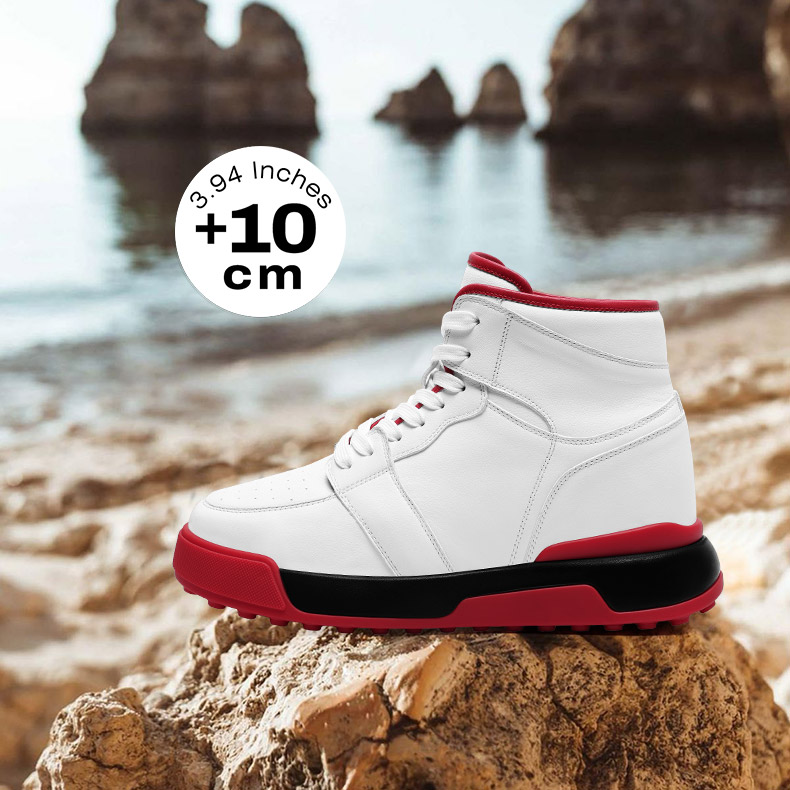
4 Inches and above: Best for shorter, occasion-based wear
Higher lifts create a more noticeable change in stride and can feel less natural over very long periods on your feet. They’re a great option for events, dates, or shorter outings, but we’d suggest easing into longer wear gradually rather than starting with a full day.
If you’re not sure where to start, a moderate height is the safer entry point — you can always size up once you know how your feet respond. Our elevator boots collection is a good place to look if you’re after a higher lift with extra ankle support built in.
The Break-In Period: How Long Does It Actually Take?
Most of the adjustment happens in your gait and posture, not your feet. When you first wear elevator shoes, your body needs a short window to recalibrate balance and stride length. For most people this takes one to three days of normal wear — not continuous wear, just a few regular outings.
A few things that shorten the adjustment period:
- Start with shorter wear sessions (a few hours) before committing to a full day
- Walk on flat, familiar ground for the first few wears
- Choose a style with a cushioned, contoured insole rather than a flat internal lift
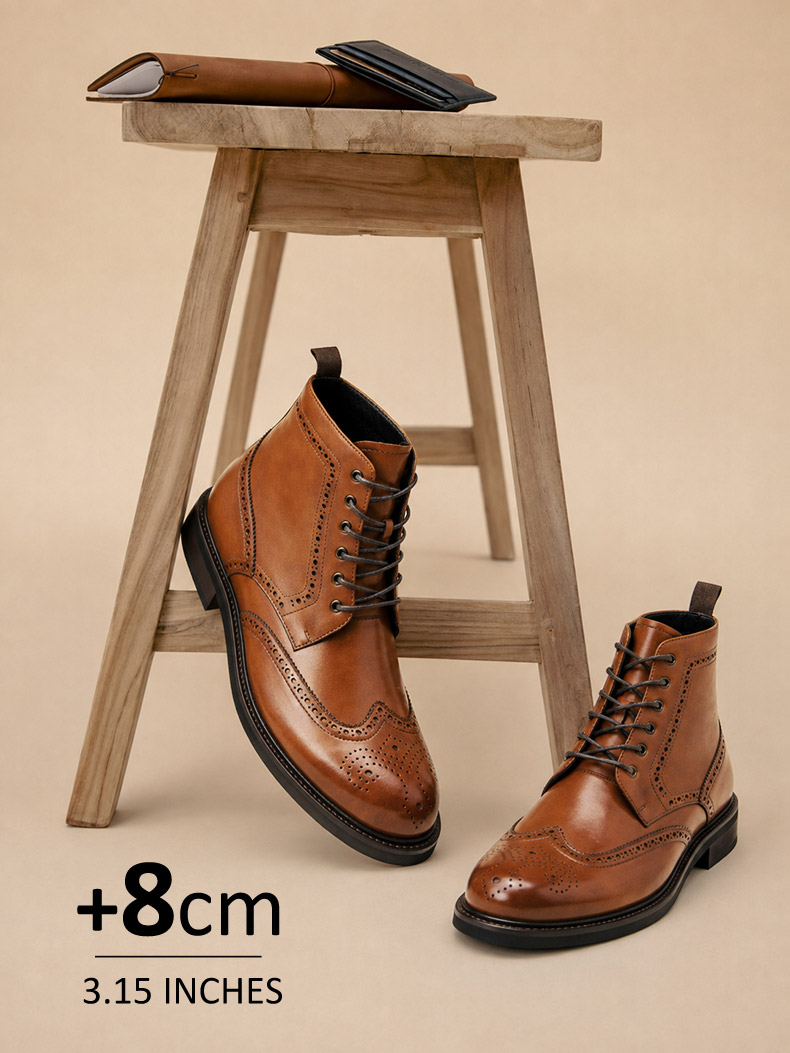
Best Styles for All-Day Comfort
Some silhouettes are simply better suited to long wear than others:
- Derby shoes — an open lacing structure gives more room to adjust fit around the instep, which helps with comfort over a full day. If you’re dressing for a wedding or black-tie event specifically, our guide to the best formal height-increasing shoes for special occasions goes into more detail.
- Chelsea boots — the ankle support they provide can make longer periods of standing or walking feel more stable.
- Sneakers — the most forgiving option for daily wear, especially for anyone spending most of the day on their feet.
Whichever style you choose, pair it with trousers that sit at a relaxed, straight or slightly tapered cut rather than a slim fit — this keeps the proportions balanced and avoids drawing attention to the shoe. This applies equally to our casual elevator shoes for weekends and our formal styles for the office.
5 Signs You’ve Chosen the Right Fit
- No pressure or rubbing across the top of your foot after a few hours of wear
- Your heel stays securely in place without slipping when you walk
- You can walk naturally within a day or two, without consciously thinking about your stride
- There’s no sharp incline you can feel under the arch
- The shoe feels stable on stairs and uneven ground, not just flat surfaces
If any of these don’t apply after the initial adjustment period, it’s usually a sign the height or fit needs adjusting — not that elevator shoes as a category aren’t for you.
FAQ
Can you wear elevator shoes all day?
Yes, particularly at heights of 5–8cm, which most wearers find comfortable for a full working day once the short adjustment period has passed. Higher lifts are better suited to shorter, occasion-based wear.
Do elevator shoes hurt your feet?
Well-made elevator shoes with contoured, cushioned insoles shouldn’t cause pain during normal use. Discomfort usually points to poor build quality or a height that doesn’t suit your usual level of activity, rather than being a given.
How long does it take to break in elevator shoes?
Most wearers adjust within one to three days of normal wear, as posture and stride settle into the new height.
What height is most comfortable for daily wear?
5–8cm is generally the most comfortable range for full-day, everyday use, offering a noticeable lift without a long adjustment period.
Final Verdict
Elevator shoes can absolutely be comfortable for everyday wear — the outcome depends on choosing a well-constructed pair and a height that matches how you’ll actually use them. Start moderate, allow a short adjustment period, and prioritise insole quality over lift height alone. If budget is a factor, our roundup of the best elevator shoes in the UK under £150 is a good starting point.
Explore CHAMARIPA’s full range of elevator shoes, available from 5cm to 15cm, or start with our custom elevator shoe service to select your ideal height, leather and style — made to order in approximately 15 working days.
Related reading:
- Are Elevator Shoes Really Comfortable? What You Should Expect
- How Do Elevator Shoes Work — and Are They Actually Comfortable?
- The Best Elevator Shoes UK Under £150
- Best Men’s Platform Shoes for Formal Occasions