Let’s be brutally honest: the idea of instantly adding 2 to 4 inches (5cm to 10cm) to your height sounds fantastic. Whether you are preparing to stand at the altar, stepping into a crucial boardroom negotiation in the City, or just wanting to level up your presence on a weekend date, height-increasing footwear is a proven, massive confidence booster.
However, if you have never worn a pair of height-increasing shoes before, the concept likely brings up a mixture of curiosity and skepticism. You undoubtedly have two burning questions holding you back from making a purchase: “How exactly do they work without looking painfully obvious?” and, perhaps more importantly, “Are they going to kill my feet after a few hours?”
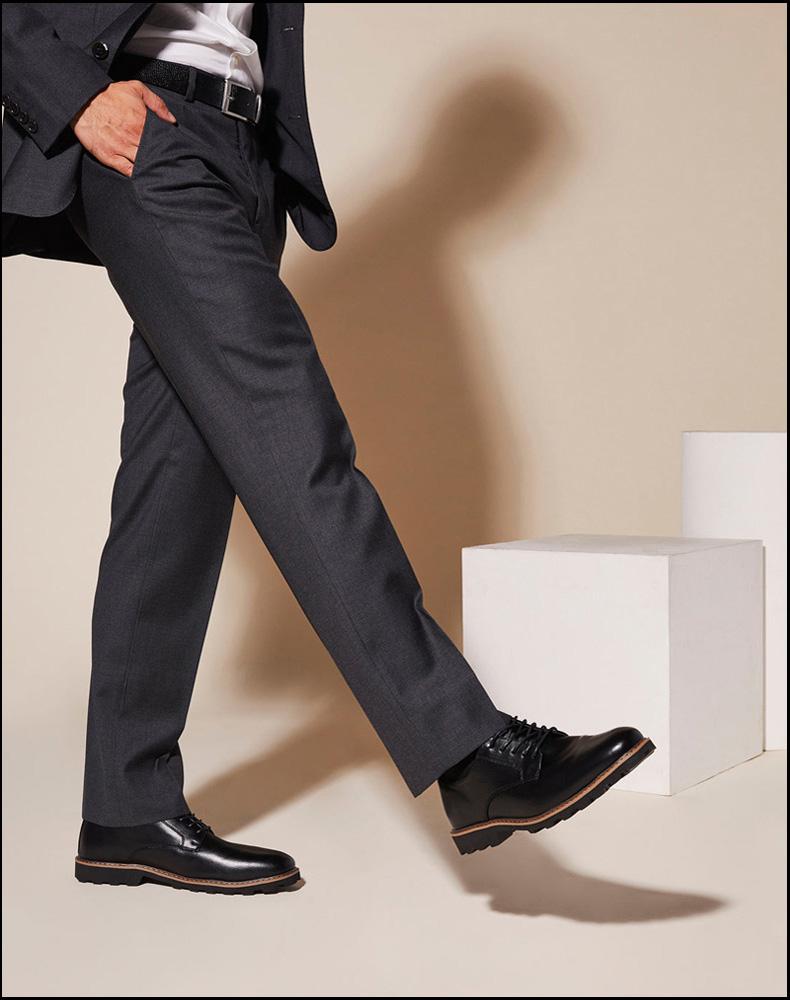
Many men falsely assume that wearing elevator shoes is synonymous with the severe discomfort women experience when wearing stilettos. Fortunately, modern premium elevator footwear is a completely different feat of biomechanical engineering. It is not about walking on your tiptoes; it is about intelligent, ergonomic design.
In this comprehensive guide, we are pulling back the curtain on the footwear industry to show you exactly how high-end elevator shoes work, the advanced material science behind them, and why they are genuinely comfortable for all-day wear.
Part 1: The Anatomy—How Do Elevator Shoes Actually Work?
The core philosophy behind a high-quality elevator shoe is “invisible elevation.”
If you examine a premium elevator shoe from the outside, it looks exactly like a standard, high-end piece of footwear. You will not see massive platform soles, chunky external block heels, or bizarre proportions. The magic happens entirely inside the shoe’s architecture. The total height increase is achieved through a meticulously calculated formula:
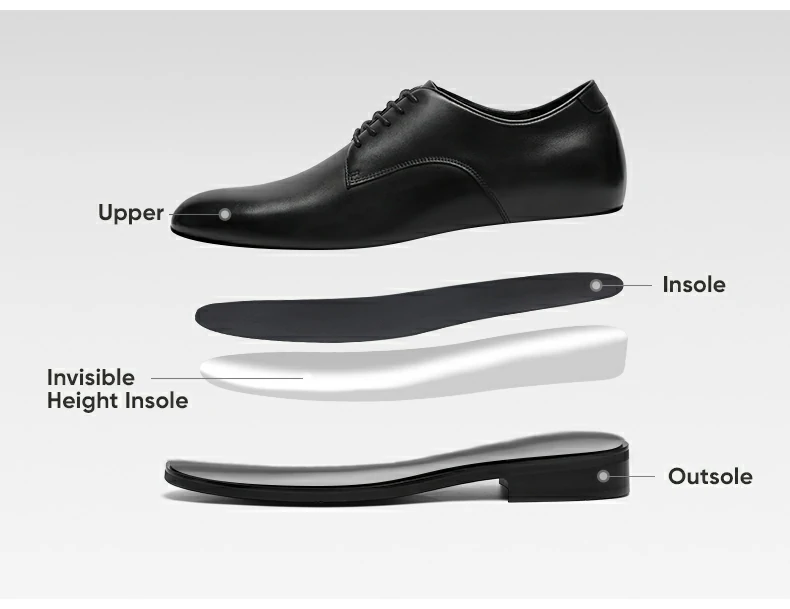
Standard External Heel + Hidden Internal Lift = Total Height Increase
- The Standard External Heel: Just like a traditional handmade Oxford shoe, a Chelsea boot, or a luxury trainer, the outside heel usually measures about 1 inch (2.5 cm). This keeps the shoe looking entirely normal to observers and maintains a classic silhouette.
- The Hidden Internal Lift (The Slope): Built directly into the footbed is a hidden, sloped layer. This component gently raises your heel inside the shoe while smoothly sloping down towards the toe box.
- The Modified “Last” and Deep Heel Cup: This is the most crucial element. Because your heel is sitting higher inside the shoe, an authentic elevator shoe cannot be built on a standard shoe mould (known as a “last”). Shoemakers create a completely unique last with a physically higher back (the heel counter) and a higher instep. This ensures your foot sits deep inside the shoe, preventing your heel from slipping out when you walk.
Part 2: The Material Science of Comfort (Why Cheap Inserts Fail)
The short answer to the comfort question is yes, they are incredibly comfortable—but with one massive caveat: It depends entirely on the materials and the engineering.
The myth that elevator shoes are painful stems directly from people attempting to use cheap, DIY silicone wedges bought online and stuffing them into standard trainers. Regular shoes simply do not have the internal volume for this. Doing so crushes your toes against the ceiling of the shoe and pushes your heel out of the back, leading to severe blisters and arch pain.
Purpose-built, premium height increasing shoes from brands like Chamaripa bypass this problem entirely through advanced material science and biomechanics:
1. Polyether vs. Standard Foams
When engineering the internal slope, the choice of material dictates the comfort. Many mass-market or budget brands attempt to cut costs by using standard EVA (Ethylene-Vinyl Acetate) foam for their internal lifts. While EVA is lightweight, it is prone to rapid compression. Over time, an EVA lift will flatten out, losing its height and, more importantly, losing its arch support, leading to foot fatigue.
In contrast, premium elevator shoes utilize high-density Polyether materials for the internal lift. Polyether offers superior structural integrity and resilience. It maintains its exact slope and height over years of heavy wear, providing robust, orthopaedic-grade support to the arch of your foot without collapsing under your body weight.
2. Advanced Shock Absorption
Walking with an elevated heel subtly changes your centre of gravity. To counteract heavier heel strikes on hard pavements, high-end elevator shoes incorporate multi-layered shock-absorbing insoles above the Polyether lift. This significantly reduces the kinetic impact travelling up through your knees and lower back, making them suitable for long city commutes.
3. Posture Correction Mechanics
Surprisingly, many men report that wearing a 2.5-inch (6 cm) or 3-inch (7.5 cm) elevator shoe actually improves their daily comfort by fixing their posture. The subtle internal elevation naturally shifts your weight slightly forward. To balance this, your body instinctively rolls your shoulders back, pushes your chest out, and straightens your spine. This actively combats the “slouching” posture many of us develop from sitting at desks, often alleviating chronic lower back ache.
Part 3: Purpose-Built Elevator Shoes vs. DIY Heel Inserts
Still tempted to just buy a £15 insert for your current shoes? Here is a quick breakdown of why investing in a purpose-built shoe is the only viable option for long-term comfort and discretion:
| Feature | Premium Elevator Shoes (e.g., Chamaripa) | Standard Shoes + DIY Inserts |
|---|---|---|
| Visual Discretion | 100% Invisible. The shoe is designed to hide the lift perfectly. | Highly obvious. The heel bulges, and the foot sits unnaturally high. |
| Heel Security | Deep heel cup locks the ankle in place. No slipping. | Heel slips out constantly with every step. |
| Material Integrity | Durable Polyether core provides lasting arch support. | Cheap silicone or EVA foam flattens and degrades quickly. |
| Toe Box Space | Expanded instep allows toes to wiggle naturally. | Toes are crushed against the top of the shoe. |
Part 4: Pro Tips for First-Time Buyers
If you are purchasing your very first pair of height-increasing shoes in the UK, follow these actionable tips to guarantee a seamless, pain-free transition:
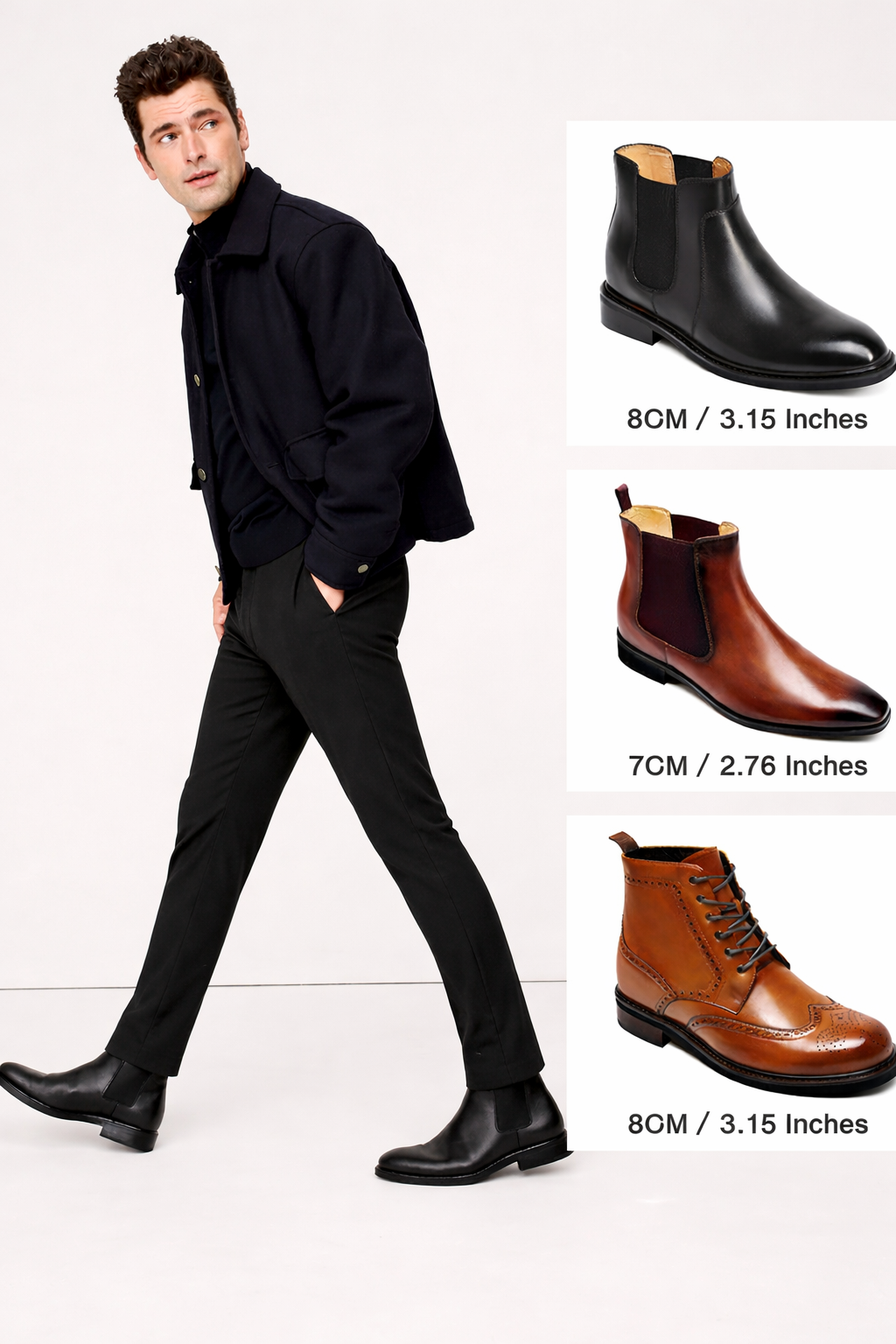
- Start with a Moderate Lift (The Sweet Spot): Do not jump straight to a 4-inch (10 cm) lift. For your first pair, choose a 2.4-inch (6 cm) to 2.76-inch (7 cm) lift. This provides a dramatic confidence boost but requires virtually zero adjustment to your natural walking stride.
- Opt for Laces Over Slip-ons Initially: A lace-up shoe (like an Oxford or a trainer) allows you to adjust the tightness across your instep. As your foot adapts to the new internal slope, being able to loosen or tighten the laces is crucial for personalized comfort.
- Master the Trouser Break: To ensure absolute discretion, wear trousers with a slight “break” (where the hem gently rests on the top of the shoe). Avoid extreme “high-water” cropped trousers, as a longer drape naturally covers the heel counter.
- Allow for a Brief Break-in Period: Just like a pair of traditional bench-made leather brogues, leather elevator shoes need a few days to mold to the unique shape of your foot. Wear them around the house or for short trips to the local pub before committing to a 12-hour wedding event.
Frequently Asked Questions
Can people tell I am wearing 3-inch elevator shoes?
No, people cannot tell you are wearing high-quality 3-inch elevator shoes if they are designed correctly. Premium mid-to-high-end brands use a deep heel cup and craft the external profile to look like standard footwear, keeping the internal component completely invisible while naturally elongating your leg proportions.
Do height-increasing shoes hurt your feet after a few hours?
No, properly engineered height-increasing shoes do not hurt your feet. Unlike cheap inserts, high-quality elevator shoes use an internal ergonomic Polyether slope that provides full-arch support, ensuring all-day comfort without crushing your toes.
Can I drive while wearing 2-inch or 3-inch elevator shoes?
Yes, you can safely and comfortably drive in 2-inch and 3-inch elevator shoes. The external rubber outsole is entirely flat and functions exactly like a regular shoe on car pedals. (If wearing a 4-inch lift, practice your footwork first due to the altered ankle angle).
Should I buy a larger size for elevator shoes to fit the internal lift?
No, you should order your standard true UK shoe size. Mid-to-high-end elevator shoes are built on custom lasts specifically designed to accommodate the internal slope automatically. The interior volume has already been expertly calibrated for your standard size.
The Final Verdict
You do not need to sacrifice your physical comfort to gain a few crucial inches. The prevailing myth that elevator shoes are painful is a direct result of inferior products and makeshift DIY solutions.
When you invest in expertly engineered, biomechanically sound footwear, you get the absolute best of both worlds: complete discretion, premium British styling, and reliable, all-day comfort.
Ready to experience the difference? Step up your style and your stature without the aches and pains.
[Explore Chamaripa’s Collection of Premium, Comfort-Engineered Elevator Shoes Here]