Autumn New ArrivalsUp to 18% OFFShop Now
Autumn New Arrivals
Up to 18% OFF
Up to 18% OFF




 2 to 5 Inches Taller Instantly
  2 to 6 Inches Taller Instantly
If you've searched for height increasing insoles, you're probably after one simple thing: a bit of extra height without anyone noticing. And fair enough—whether it's for confidence, work, dating, or a wedding, looking a little taller can feel like a big win.
But here's the honest truth: insoles can work, yet they're not always comfortable, stable, or easy to wear in real life—especially if you're walking around all day, commuting, or dealing with Australia's warmer months.
Quick note before we start: we don't sell standalone height increasing insoles. This guide is here to help you understand what insoles can (and can't) do, and to show you a more reliable option for everyday wear: elevator shoes (shoes with the lift built in).
Yes—height increasing insoles can add height. But the bigger the lift, the more you'll notice side effects like:
In short, they're often fine for occasional use (a short event, a quick night out), but they're usually not the best choice for daily wear.
Most “height insoles” are essentially a raised heel or wedge that sits inside your shoe. They increase height by lifting the heel higher, which changes your foot angle and shifts your weight forward.
That shift is the key reason people feel discomfort: your shoe wasn't designed for that new angle, so pressure and fit can change fast.
Note: We don't sell standalone height increasing insoles. This section helps you understand the options and what to watch for.
Small inserts placed under the heel to add a subtle height boost.
| Item | Details |
|---|---|
| Typical height gain | 1–2 cm |
| Best for | Short events, occasional wear, roomy shoes (some sneakers and boots) |
| Feel on foot | Light change in angle; usually easy to try |
| Watch for | Can slip if the shoe isn't snug; may cause heel rubbing in low-cut shoes |
| Quick tip | Works best in shoes with a secure heel cup and enough internal space. |
Insoles that extend further under the foot for a more balanced feel than heel-only inserts.
| Item | Details |
|---|---|
| Typical height gain | 1–3 cm |
| Best for | More balanced support, moderate daily wear (if shoes have enough room) |
| Feel on foot | More even weight distribution than heel lifts |
| Watch for | Takes up space; shoes may feel tight (especially in warmer months when feet can swell) |
| Quick tip | If your shoe already fits snugly, expect it to feel noticeably tighter with these. |
Insoles with removable layers so you can test different heights.
| Item | Details |
|---|---|
| Typical height gain | 2–4+ cm (depends on layers) |
| Best for | Testing different heights, occasional use, people unsure what feels comfortable |
| Feel on foot | More noticeable angle change as height increases |
| Watch for | Higher stacks can feel unstable and make walking less natural; often incompatible with low-profile shoes |
| Quick tip | Start low and increase gradually—comfort and stability drop fast as height goes up. |
If you like the idea of extra height but want a more secure fit and a normal-looking exterior,
elevator shoes are often a better long-term choice—because the lift is built into the shoe design rather than added as an insert.
Pick a style that feels natural for daily wear—no separate insoles needed.
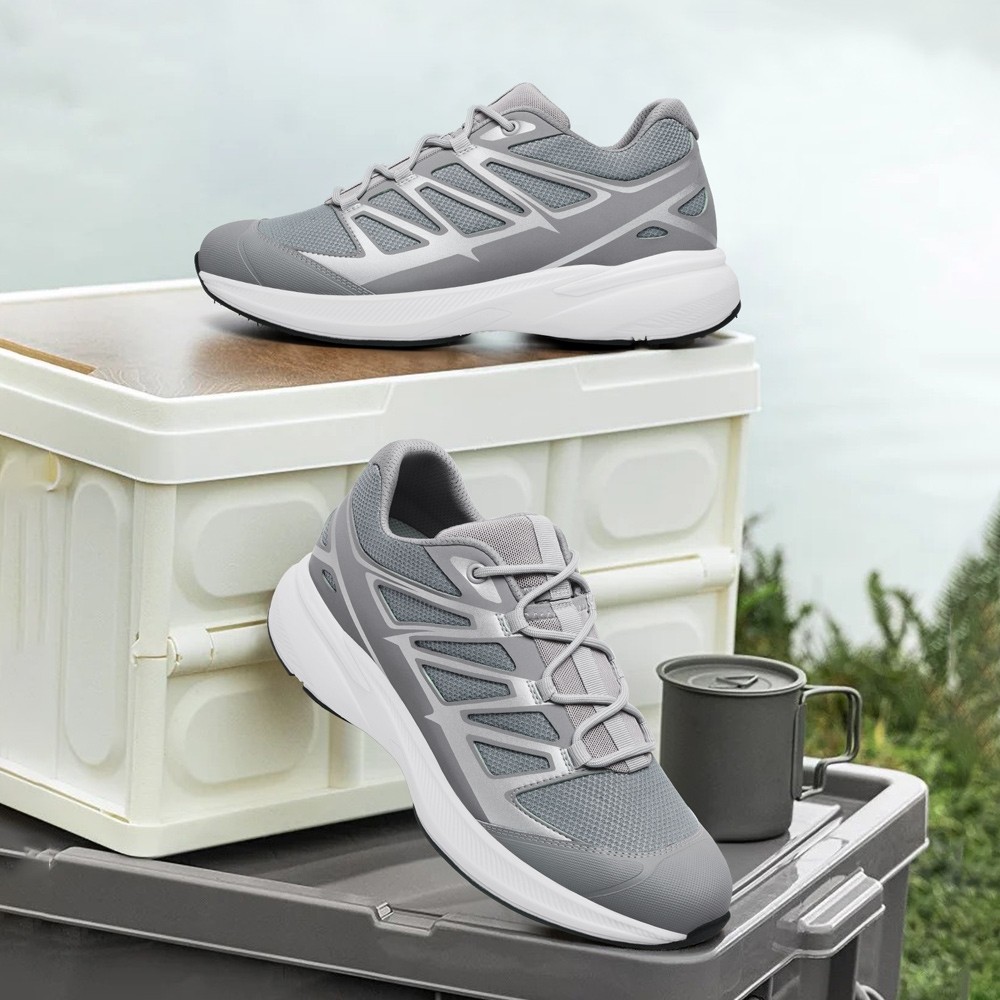
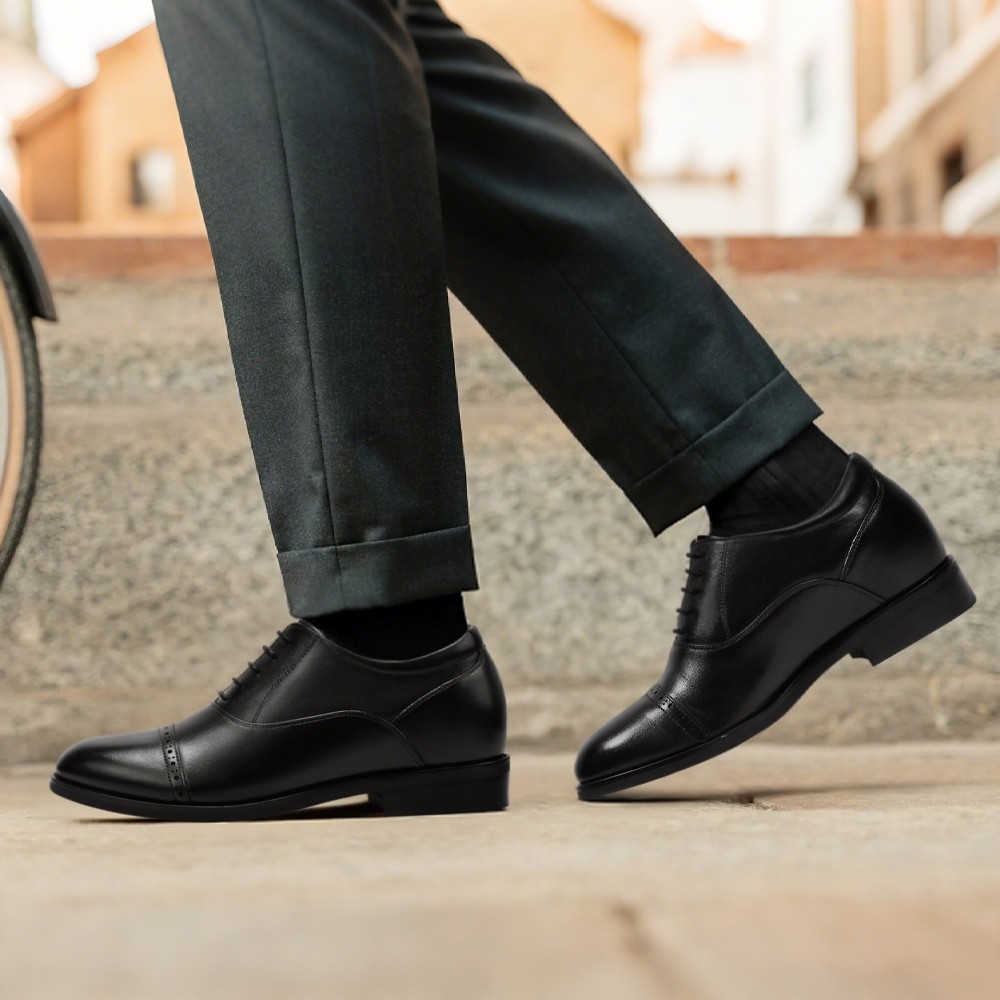
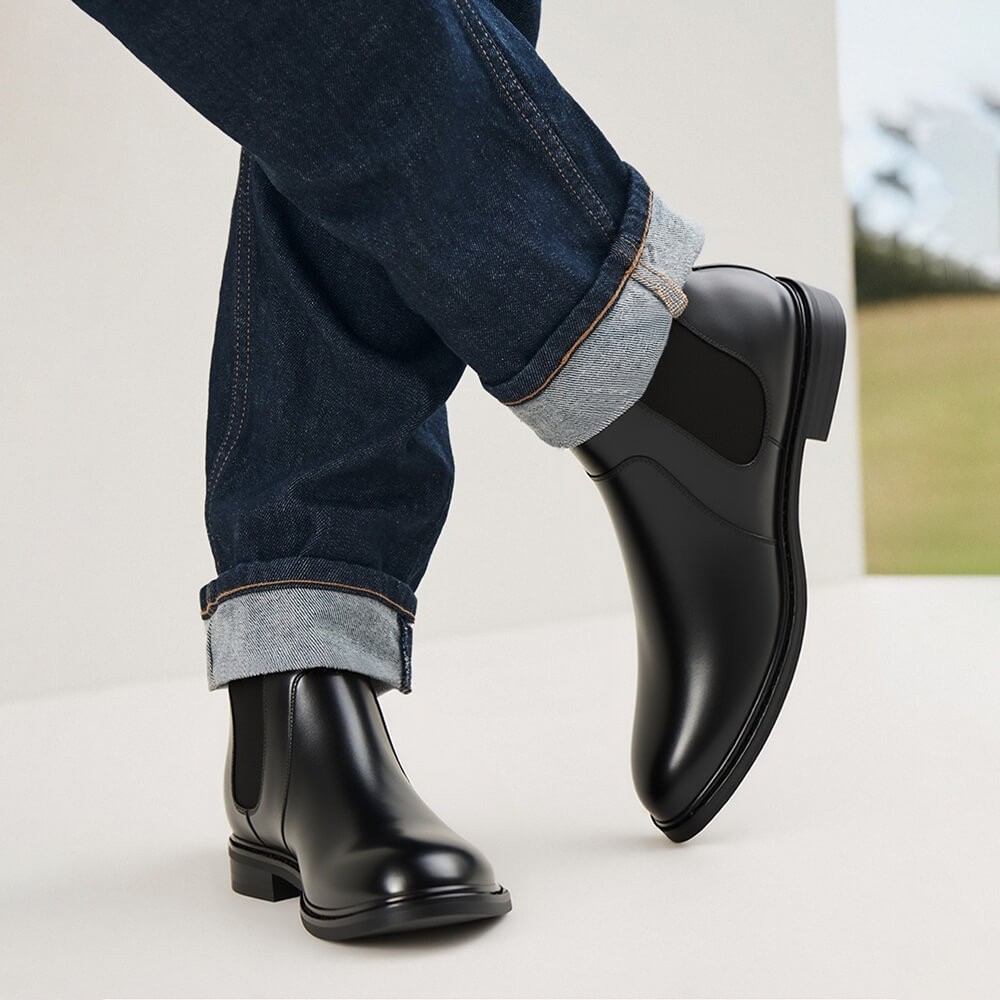
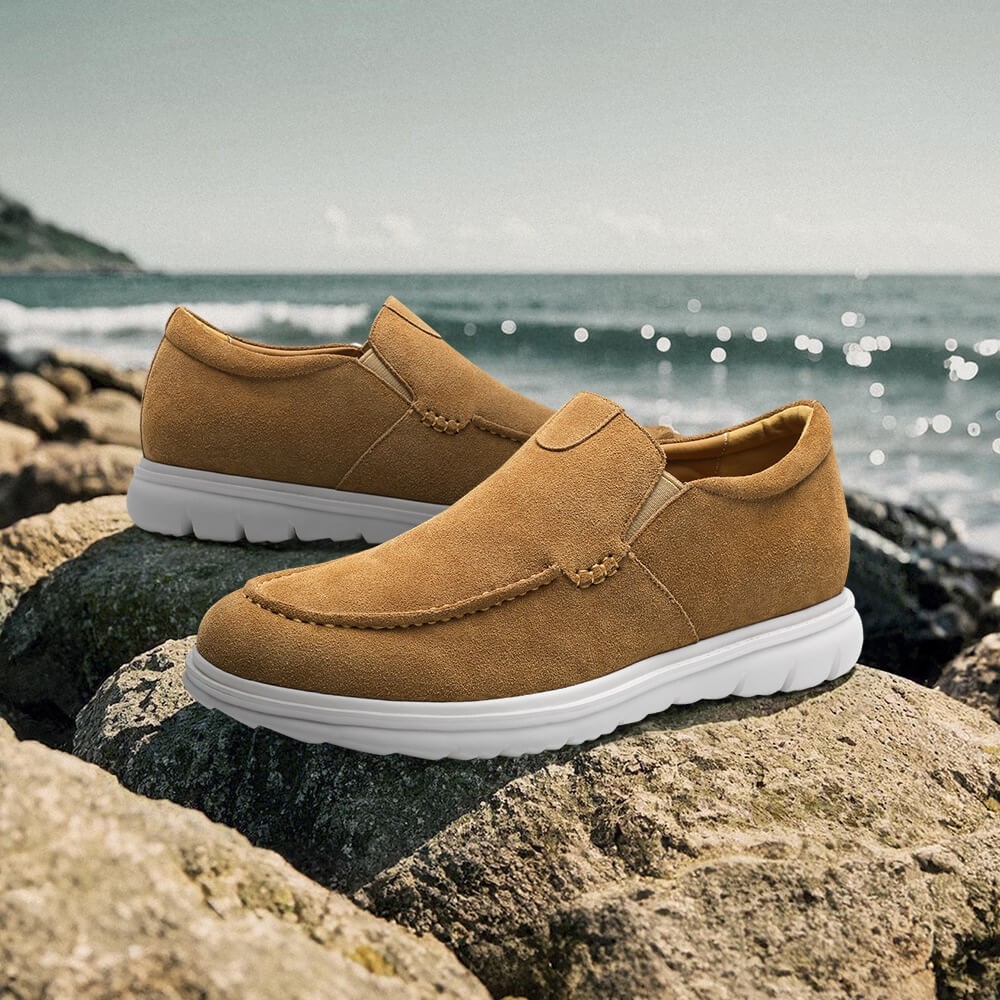
A lot of product ads show big numbers, but real-world comfort tends to be more conservative.
If you've ever tried to walk through Sydney's CBD, down Melbourne's laneways, or across a train platform while feeling off-balance—you'll know stability matters more than the number.
Let's be fair—there are reasons people buy them:
Insoles take up volume inside the shoe. That extra thickness can crowd the heel and midfoot, causing pressure points and rubbing.
When the heel is higher, your foot can slide more, especially if the shoe wasn't designed to hold that angle. This can lead to a less natural gait and more fatigue.
Slim dress shoes, certain loafers, and low-profile sneakers often don't have enough space. In summer, when your feet can swell slightly from heat, the fit gets even trickier.
A short dinner might be fine. But a full day—work, commuting, errands, meeting mates—can turn discomfort into regret quickly.
If your goal is daily height that feels stable and looks natural, elevator shoes are usually the smarter solution.
Instead of adding a lift into a shoe that wasn't designed for it, elevator shoes are built around the lift from the start:
For many men, it's the difference between “I can wear this for an hour” and “I can wear this all day”.
| Feature | Height increasing insoles | Elevator shoes |
|---|---|---|
| Daily comfort | Often limited by shoe space | Designed around the lift |
| Stability | Varies; can feel unstable | Generally more stable |
| Look from outside | Depends on shoe; may affect fit | Normal-looking exterior |
| Shoe compatibility | Not universal | No need to “fit an insert” |
| Best use | Occasional, short wear | Everyday, long wear |
A lot of workplaces still value clean, polished shoes. Elevator dress shoes can add height while keeping a sharp silhouette—without the “shoe is too tight” feeling that insoles can cause.
Whether it's a winery wedding in the Yarra Valley or a beachside ceremony on the Gold Coast, you'll be on your feet for hours. Comfort + balance matter more than a quick height hack.
From rooftop bars to a casual arvo catch-up, you want shoes that feel normal. When you're relaxed, you move naturally—and that's what looks confident.
In warmer conditions, feet can swell slightly. Insoles can make already-snug shoes feel worse. A well-designed elevator sneaker often breathes and fits better for long wear.
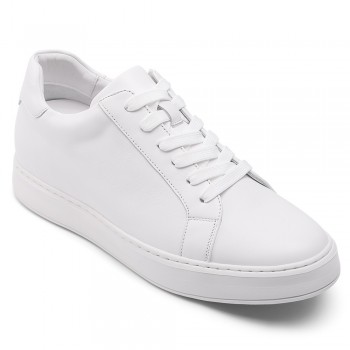
Height: 7cm (2.76 Inch)
Price: $268.50

Height: 8cm (3.15 Inch)
Price: $253.50

Height: 7cm (2.76 Inch)
Price: $253.50
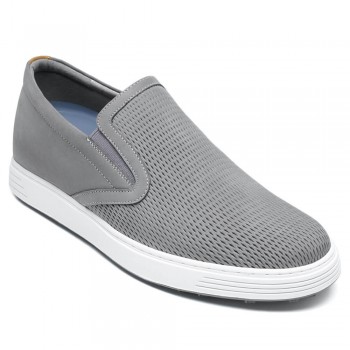
Height: 6cm (2.36 Inch)
Price: $244.50
If you want a practical checklist, here's what tends to make elevator shoes feel “right”:
You want a normal profile—not a bulky heel or platform look.
A lift that's built in and secure feels far more reliable than something loose inserted.
Support matters when you're wearing the lift all day.
If your website carries multiple styles (sneakers/dress/boots/loafers), this is where your category entry points should sit—right after this section—so it feels helpful rather than salesy.
If height is your goal, it's tempting to chase the biggest number. But the most convincing “taller look” usually comes from a mix of:
A stable 6–8 cm in a well-built elevator shoe can look more natural than trying to force a big lift inside a shoe that doesn't have room.
Not reliably. Roomy shoes (some boots and sneakers) may work, but slim shoes often feel too tight.
They can, especially if the shoe already fits snugly. Even a small lift changes the feel and pressure points.
You can try grippy materials, heel liners, or tighter lacing, but results vary by shoe shape.
For most people, smaller boosts look and feel more natural. The bigger the lift, the harder it is to walk naturally.
Good ones aren't. The key is a normal-looking exterior and an internal lift that doesn't change the outer profile.
Often, yes—because the shoe is designed around the lift. Insoles are a “retrofit”.
Many people do—especially with sneakers, boots, or well-made dress styles. Fit and support matter.
Usually not. The best designs look like normal shoes; the height is hidden inside.
Breathable elevator sneakers or lighter smart-casual styles tend to feel better than cramming an extra insole into a tight shoe.
Treat insoles as a short-term test. If you like the idea of extra height but want stability and comfort, switch to elevator shoes designed for daily wear.
Height increasing insoles can be a quick fix. But if you're after something you can wear confidently across real Australian days—commutes, long events, walking a lot, warm weather—a built-in lift shoe is usually the smoother, more reliable choice.
If you want to move from “trying insoles” to “feeling taller every day”, start by choosing elevator shoes based on your lifestyle: sneakers for daily, dress shoes for work, boots for cooler months, and loafers for smart-casual.
Copyright
© 1996 - 2026 Chamaripa ® Elevator Shoes All Rights
Reserved.