End of Summer SaleUp to 18% OFFShop Now
End of Summer Sale
Up to 18% OFF
Up to 18% OFF




 2 to 5 Inches Taller Instantly
  2 to 6 Inches Taller Instantly
Choosing the right size is especially important when buying elevator shoes. Because elevator shoes include a built-in height increase, your feet may sit slightly differently inside the shoe compared with regular shoes. The right fit can help reduce toe pressure, heel slipping, forward foot sliding, and discomfort around the ball of the foot.
Use this Chamaripa size guide to measure your foot length and width, compare your measurements with our men's and women's size charts, and choose a more comfortable fit for your elevator shoes.
Quick fitting tip: If you have wide feet, a high instep, sensitive feet, or you are between two sizes, we usually recommend choosing the larger size for better comfort.
To choose the right size for elevator shoes, measure both your foot length and foot width before ordering. Do not rely only on your usual sneaker or dress shoe size, because different shoe styles may fit differently.
A properly fitted pair of elevator shoes should hold your heel securely, leave enough room in the toe box, and provide stable support under the arch and midfoot. Your toes should not feel squeezed, and your feet should not slide forward when walking.
If the shoes are too tight, they may create pressure on the toes and the ball of the foot. If they are too loose, your feet may slide forward, causing rubbing, heel slipping, or unstable walking. Choosing the right size helps make elevator shoes feel more natural and comfortable for daily wear.
For the most accurate result, measure your feet in the afternoon or evening, when your feet are usually at their normal daily size. Wear the type of socks you plan to wear with your elevator shoes.
What you will need:
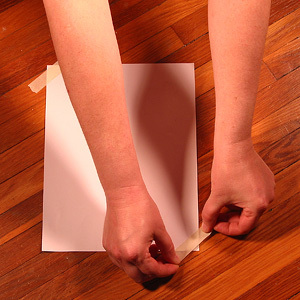
Tape the paper to a hard, flat floor. Avoid doing this on carpet or any soft surface, as it may affect the accuracy of your measurement.
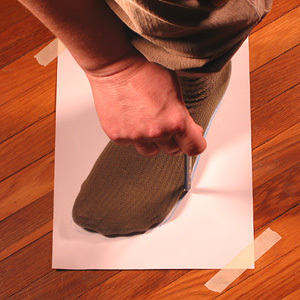
Stand naturally on the paper and trace the outline of your foot all the way around. You can wear the socks you plan to wear with your shoes, but do not wear shoes while measuring.
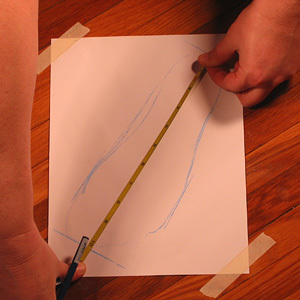
Use a ruler or measuring tape to measure the distance from your longest toe to the back of your heel. Write down the measurement in centimeters.
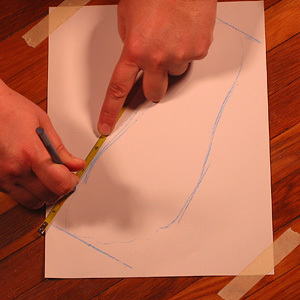
Measure across the widest part of your foot, usually around the ball of the foot. Write down the measurement and use it to judge whether you may need a roomier size or style.
Compare your foot length with the size chart below to find the closest Chamaripa shoe size. If one foot is slightly longer than the other, choose your size based on the longer foot.
| Men Size Chart | ||||
|---|---|---|---|---|
| US Men | Inches | Foot Length (CM) | Euro | UK |
| 6.5 | 9 1/4 | 23.5 | 37 | 5.5 |
| 7 | 9 1/2 | 24.0 | 38 | 6 |
| 7.5 | 9 5/8 | 24.5 | 39 | 6.5 |
| 8 | 9 3/4 | 25.0 | 40 | 7 |
| 8.5-9 | 10-10 1/8 | 25.5 | 41 | 7.5-8 |
| 9.5-10 | 10 1/4 - 10 1/2 | 26.0 | 42 | 8.5-9 |
| 10.5-11 | 10 5/8 - 10 3/4 | 26.5 | 43 | 9.5-10 |
| 11.5 | 11 | 27.0 | 44 | 10.5 |
| 12 | 11 1/4 | 27.5 | 45 | 11 |
We do not offer half sizes between US 8 and US 11. For US 8.5, please order US 9. For US 9.5, please order US 10. For US 10.5, please order US 11. US 11.5 is available.
| Women Size Chart | ||||
|---|---|---|---|---|
| US Women | Inches | Foot Length (CM) | Euro | UK |
| 4.5 | 8 1/2 | 22 | 34 | 2 |
| 5 | 8 3/4 | 22.5 | 35 | 2.5 |
| 6 | 9 1/4 | 23 | 36 | 3.5 |
| 7 | 9 1/2 | 23.5 | 37 | 4 |
| 8 | 9 3/4 | 24 | 38 | 5 |
| 9 | 10 | 24.5 | 39 | 6 |
Foot shape can affect how elevator shoes feel. If your feet are wider than average, if you have a high instep, or if one foot is slightly longer than the other, use the tips below before choosing your size.
For example, if your right foot measures 254mm and your left foot measures 257mm, choose the size that matches the longer foot. In this case, the appropriate size would be Euro 42.
We recommend having someone else measure your feet, as this often improves accuracy.
Your foot shape can affect how elevator shoes fit, especially because the built-in lift may slightly change how your foot sits inside the shoe. Use the guide below to choose a more comfortable size and reduce pressure, slipping, or forward sliding.
| Elevator Shoe Fit Guide by Foot Shape | ||
|---|---|---|
| Foot Shape | Recommended Fit | Why It Matters |
| Normal feet | Choose your regular size based on foot length. | A standard fit should provide enough heel stability, toe room, and arch support. |
| Wide feet | Choose one size larger or select a wide-width style. | Extra room can help reduce pressure across the ball of the foot and toe box. |
| High instep | Choose a slightly larger size or a lace-up style. | Lace-up styles allow more adjustment over the top of the foot and can feel less tight. |
| Between two sizes | Choose the larger size. | A roomier fit helps reduce toe pressure and makes long wear more comfortable. |
| One foot longer than the other | Choose the size based on your longer foot. | This helps avoid toe pressure on the longer foot while keeping the fit more balanced. |
| Narrow feet | Choose your measured size and consider lace-up styles for better adjustment. | A smaller size may create toe pressure, so fit adjustment is usually better than sizing down. |
Foot pain in elevator shoes is often caused by the wrong size, a narrow fit, or not enough room for the toes. Since elevator shoes have a built-in lift, the foot may naturally sit at a slight angle inside the shoe. A good fit should help keep the foot stable instead of pushing it forward.
To avoid discomfort, make sure your elevator shoes have enough toe room, a secure heel fit, and stable support through the arch and midfoot. If the shoe feels tight at the toes or across the ball of the foot, it may cause pressure during long wear. If the shoe feels too loose, your foot may slide forward and rub against the inside of the shoe.
If you are unsure about your size, please contact our customer service team with your foot length and width before ordering. This is especially helpful for customers with wide feet, high insteps, or previous fit issues.
To choose the right size for elevator shoes, measure your foot length and width, then compare your measurements with the size chart. A proper fit should keep your heel stable, leave enough toe room, support the arch, and prevent your foot from sliding forward. If you are between sizes or have wide feet, choosing the larger size is usually more comfortable.
The wrong size can cause foot pain because elevator shoes include a built-in lift that changes foot positioning inside the shoe. If the shoes are too tight, they may press on the toes and the ball of the foot. If they are too loose, your feet may slide forward and cause rubbing, heel slipping, or unstable walking.
You do not always need to size up when buying elevator shoes. The best size depends on your foot length, width, instep height, and the shoe style. However, if you have wide feet, a high instep, or you are between two sizes, sizing up may help reduce pressure and improve comfort.
Elevator shoes can be comfortable for wide feet or high insteps when the right size and style are selected. Customers with wide feet or high insteps should avoid overly tight styles and may feel better with a slightly larger size, a lace-up design, or a roomier casual shoe. If you are shopping for men's styles, you can also explore our wide elevator shoes for men for extra room and a more comfortable fit.
If one foot is longer than the other, choose your elevator shoe size based on the longer foot. This helps prevent toe pressure and makes walking more comfortable. You can also contact our customer service team for fitting advice if the difference is noticeable.