Choosing wedding shoes in the UK is a balancing act: the pair has to match the dress code, handle a long day on mixed surfaces, and look sharp in photos—ideally while adding a little extra height. That is precisely where height increasing shoes earn their place. Discreet elevation, day-long comfort and a natural silhouette make them a smart upgrade for grooms, groomsmen and guests alike.
Dress codes, decoded—then matched to the right shoes
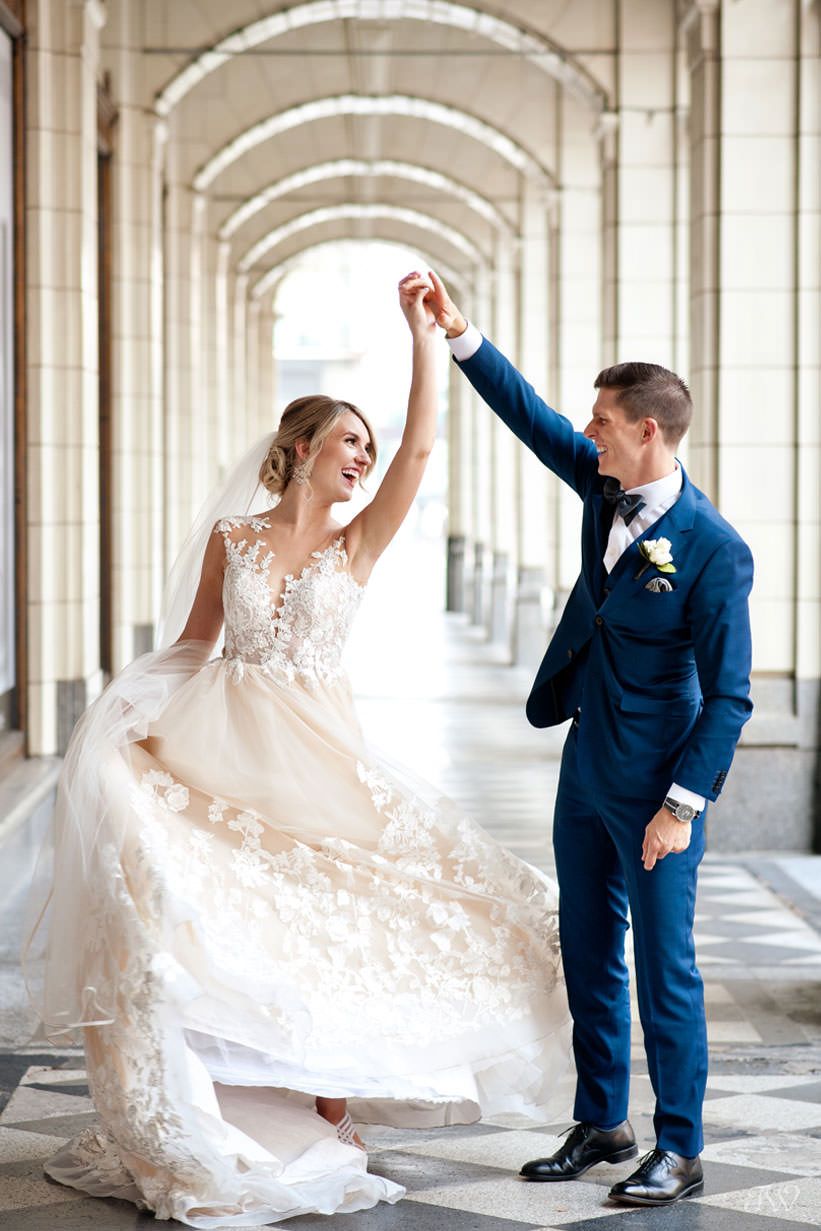
Evening black-tie ceremonies call for polish and restraint. A patent or high-shine Oxford with a closed lacing system keeps the line sleek under a tuxedo; with a built-in lift of around +7 cm, proportions read taller without changing the classic profile. Daytime formality (morning dress) rewards similar discipline: a cap-toe Oxford or a smooth wholecut in calf leather, +6–7 cm, complements the long coat and striped trousers without visual noise.
Semi-formal lounge suits—common in hotels and town halls—are more flexible. A plain-toe Derby or a minimal leather sneaker with +6–7 cm gives a modern edge while staying within the brief. Outdoor venues introduce practical considerations: for garden or barn weddings, a brogue or a low-profile Chelsea boot with discreet rubber grip and +6–8 cm helps on lawns, gravel and steps. Shorter registry-office ceremonies and city elopements benefit from lighter options such as a slim Derby or loafer (+5–6 cm) that move easily between photos, lunch and an evening drink.
How much extra height looks “natural”?
Most men find +5–6 cm to be the sweet spot for comfort and subtlety throughout a full wedding day. +7 cm is popular with grooms because it photographs well and balances jacket and trouser proportions. Bigger lifts (+8–10 cm) are possible—especially with custom lasts and supportive counters—but they work best when trouser shape is tailored accordingly. The principle is simple: maintain clean lines from shoulder to shoe. Slightly tapered trousers with a no-break or slight-break hem keep the silhouette tidy once the lift is added.
Materials and colours that suit British weddings
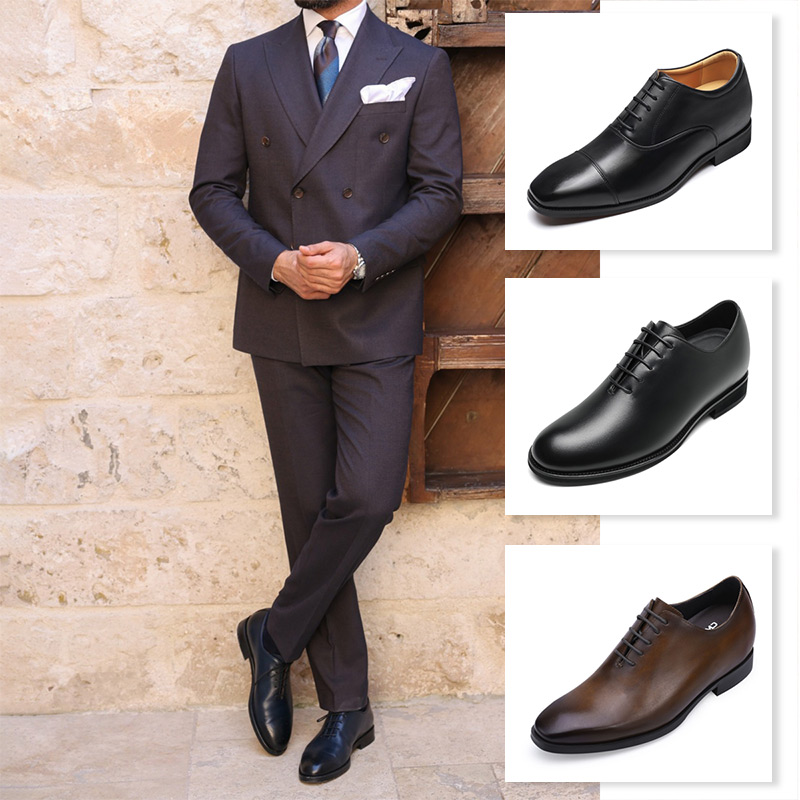
Match finish to formality. Patent leather belongs with black tie; high-shine or box calf suits formal navy and charcoal; waxed or burnished leathers feel right in rural settings and in autumn light. Colour follows the suit: black with black, charcoal or navy; dark brown with navy and mid-grey; tan for summer and daytime palettes. Because British weather can be unpredictable, a quick mist of water-repellent spray and a pocket cloth before photos preserve the finish without fuss.
Comfort underfoot: soles, support and sound
Classic leather soles are slim and elegant indoors, but many UK venues include stone steps, cobbles and lawns. Discreet Dainite or fine-lug rubber keeps the profile refined while adding grip for the aisle, receiving line and garden portraits. Inside the shoe, look for cushioned insoles, stable heel cups and supportive midsoles; these elements spread load during vows, speeches and dancing. Rubber outsoles also lower noise in quiet ceremonies—useful in churches and registry rooms.
Sizing for the UK—and getting the fit right
UK sizing runs a touch different from EU/US scales, so confirm conversion before ordering and consider the last: Oxfords fit closer than Derbys due to closed lacing. Wide feet, high insteps or slight left-right differences are easily handled with width options or made-to-order adjustments. To avoid wedding-day surprises, begin a short break-in plan 10–14 days ahead, starting with 30–60 minutes at home and building to a few hours; this allows the footbed and upper to settle around the lift.
Curated picks for common UK wedding scenarios
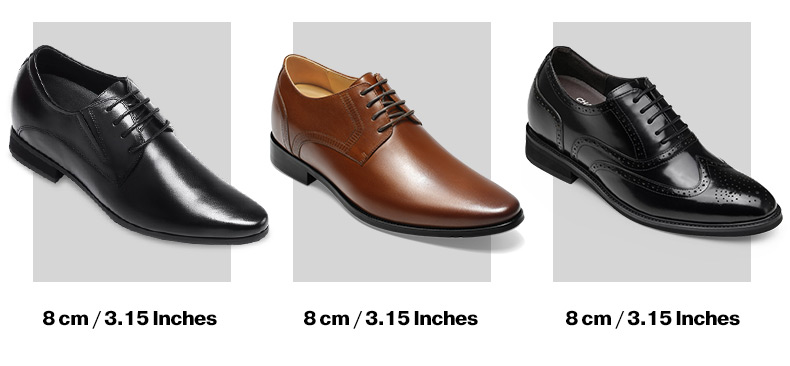
For black tie evenings, a patent Oxford with an internal +7 cm lift keeps the mirror finish and the razor-clean quarter line expected under a tuxedo. Formal daytime events suit a cap-toe Oxford or wholecut in black or deep brown calf at +6–7 cm, aligning with morning dress while elongating the leg in photos. City hotels and contemporary venues pair well with a plain-toe Derby or minimalist leather sneaker (+6–7 cm), which reads modern against slim tailoring. Rural barns and gardens call for a brogue or a low-profile Chelsea boot with a grippy rubber sole and +6–8 cm, preserving stability on grass and gravel without looking rugged. Registry-office ceremonies and intimate daytime celebrations favour slim Derbys or loafers at +5–6 cm—light on the foot, quick to wear, and understated in pictures.
Styling and tailoring that flatter the lift
Elevated shoes work best when the outfit emphasizes vertical lines. Keep trouser hems neat, avoid pooling, and echo the shoe’s finish with a belt and watch strap—patent with satin bow ties and polished cufflinks; calf with matte accessories. Mid-calf socks in a shade close to the shoe keep seated photos tidy. On camera, relaxed shoulders and parallel feet create a clean stance that lets the subtle height increase do its work without drawing attention.
Wedding-day upkeep, made simple
Pack anti-rub patches, spare thin socks, a small brush or cloth and a travel-size water-repellent spray. If rain threatens, plan an entry route with a quick wipe before the first photos. Test traction on the dance floor early; discreet pads can add grip without changing the profile.
Why height increasing shoes make sense for UK weddings
The advantage is quiet confidence. Elevator wedding shoes preserve classic British wedding style while solving three practical issues at once: posture in long ceremonies, proportions in group photos, and stability across typical UK venues. The lift is hidden inside; from the outside they read as standard Oxfords, Derbys, loafers or Chelsea boots. Choose the right height, pair it with sensible tailoring, and the result looks natural—simply a sharper version of your usual style.