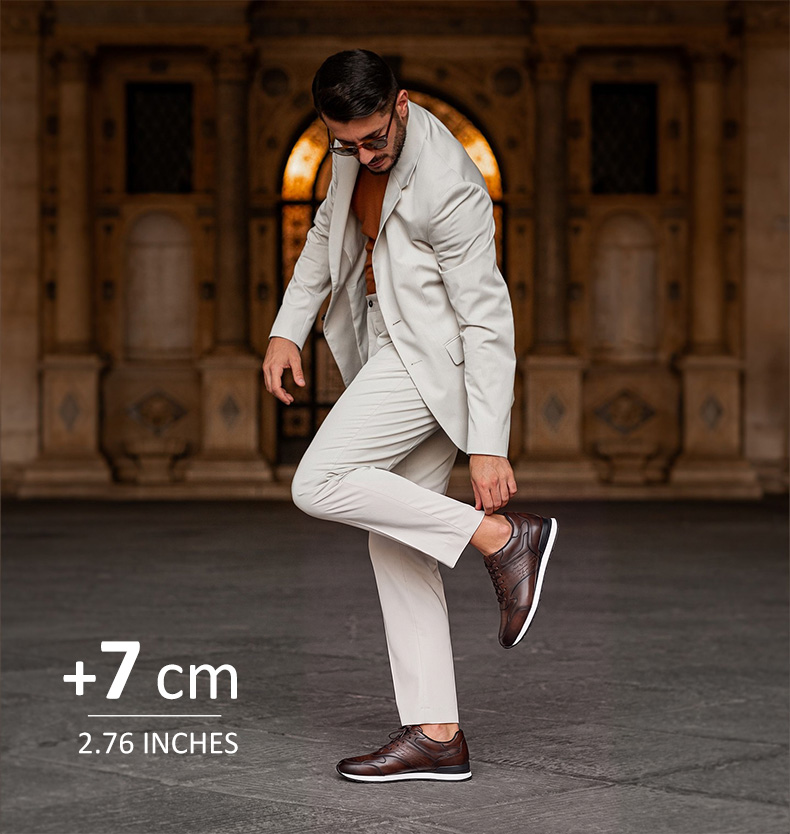
The Technology Behind Height Increasing Shoes
Unlike a simple insert or insole, height enhancing shoes build the extra height into the shoe’s internal structure. An ergonomically shaped layer sits inside the sole, positioned to support the arch and heel the same way a well-built regular shoe would. Rather than sitting as a rigid block, this internal layer is shaped to flex with the natural motion of the foot — which is the main difference between a purpose-built height increasing shoe and simply stacking insoles inside a normal pair, which tends to feel stiff and unstable once you go beyond a centimetre or two.
Because the structure is built into the shoe rather than added on top, the outside silhouette stays completely normal. There’s no visible wedge, no thick outsole, and no giveaway detail — from the outside, mens height increasing shoes look identical to any other pair in the same style.
Shoe Lifts vs Elevator Shoes: What’s the Difference?
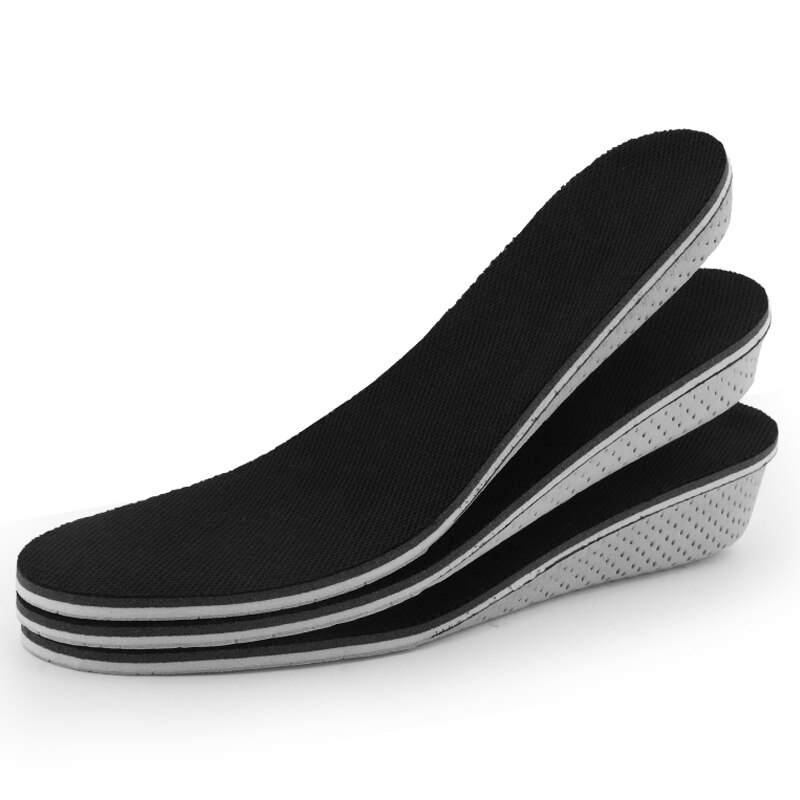
This is where a lot of the confusion starts. Shoe lifts for men are removable inserts — separate pieces you buy and place inside a pair of shoes you already own. They’re cheap and easy to try, but because they weren’t designed as part of that shoe’s structure, they can shift underfoot, take up extra volume inside the toe box, and throw off the shoe’s original fit once you go beyond a centimetre or two of lift.
Elevator shoes take a different approach: the lift is part of the shoe from the first stage of construction, built around the same ergonomic footbed as the rest of the sole. There’s nothing to insert and nothing that can slide out of place, and the shoe is designed to carry that height from the ground up rather than having it added afterwards. For anyone who’s tried loose lifts in shoes for men and found them uncomfortable or unstable, this built-in approach is usually the more comfortable and more natural-feeling option.
How Much Taller Can Shoes to Gain Height Make You?
Across most height increasing shoe ranges, the added height falls between 2-5 inches, depending on the style and the thickness of the internal layer chosen. Dress shoes and boots typically offer more room to build a taller internal structure, while sneakers and trainers are usually better suited to the 2-3 inches range. If you’re trying shoes for increase height for the first time, starting at 2.4″ or 2.8″ is the usual recommendation — it’s enough to feel a noticeable difference while your gait adjusts, before moving up to a taller option once you’re used to the feel.
Are Height Booster Shoes Comfortable for All-Day Wear?
Comfort comes down to how the internal layer is built, not just how tall it is. A well-made height boost shoe uses a cushioned, ergonomic footbed underneath the lift, along with breathable linings and flexible materials in the upper. This means the shoe moves with your foot through a normal walking stride, rather than forcing an unnatural gait the way a rigid platform would. Quality construction is what separates a shoe you can wear for a full day from one that only feels comfortable for short stretches.
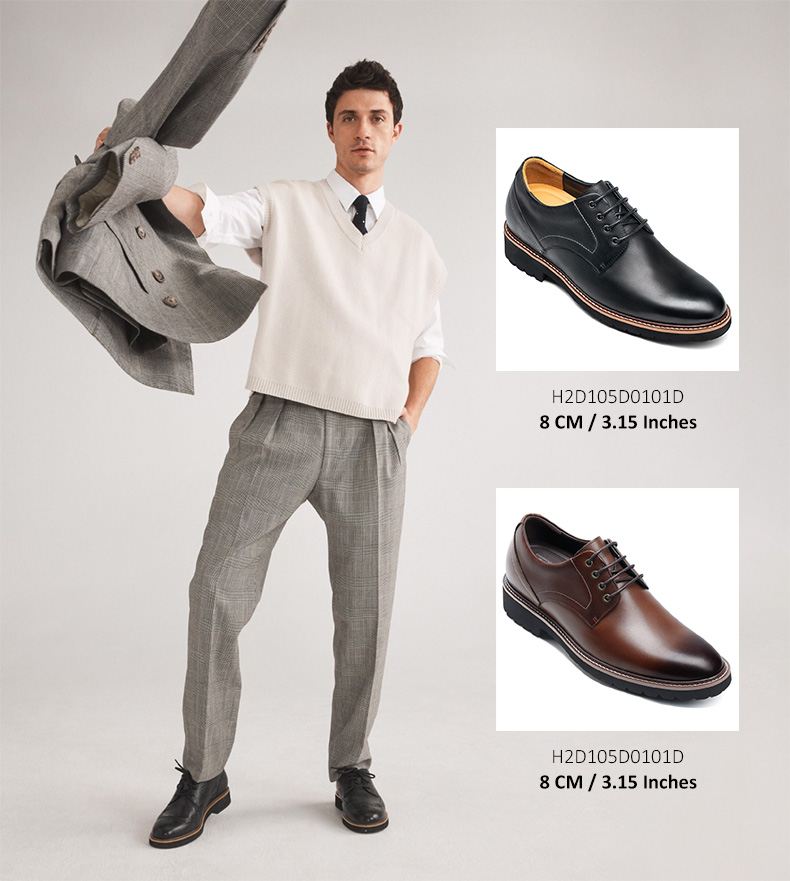
Do They Look Any Different From Regular Shoes?
No — and this is usually the first thing people ask before trying a pair. Because the height comes from inside the shoe, the external proportions, sole thickness, and overall silhouette match a standard shoe in the same style. A dress shoe still looks like a dress shoe, a boot still looks like a boot, and a sneaker still looks like a sneaker. The only real difference is what’s happening beneath your foot, not what other people can see.
Which Styles Offer Height Increasing Shoes?
The technology isn’t limited to one shoe type. Dress shoes and formal styles tend to offer the most height, since their structure allows for a taller internal build. Boots follow a similar principle, often with slightly more room in the shaft. Casual shoes and trainers are built for lighter, more flexible everyday wear, usually in the 2-3 inches range. Whatever the occasion, the same core idea applies — height built in, not added on.
Sizing: Do You Need a Different Shoe Size?
For most people, the answer is no — order your normal, regular shoe size. The internal height-increasing layer is designed to fit within a standard-sized shoe without changing how the rest of the fit feels. The one exception is if you have wider or thicker-than-average feet, in which case sizing up by half a size can help avoid any tightness across the midfoot. Outside of that, there’s no need to size up just because a shoe includes a height increase.
Frequently Asked Questions
How do height increasing shoes actually work?
Height increasing shoes use an internal layer built into the sole, positioned under the heel and midfoot on an ergonomic footbed. This layer adds height from the inside of the shoe rather than as a visible platform, so the outside of the shoe looks like a normal pair.
How much taller can you get from height boost shoes?
Most height boosting shoes add between 2-5 inches, depending on the style and internal layer thickness. First-time wearers are generally advised to start at 2.4″ or 2.8″ before moving up to taller options.
Do you need a different shoe size for height increasing shoes?
No — most people should order their normal, regular shoe size. Sizing up is only recommended if you have wider or thicker-than-average feet, since the internal structure takes up a small amount of space inside the shoe.
Can other people tell you’re wearing height increasing shoes?
No. Because the added height sits inside the shoe’s structure rather than as an external wedge or platform, the shoe’s outward shape, proportions, and sole height look the same as a standard shoe.
What’s the difference between shoe lifts and elevator shoes?
Shoe lifts are removable inserts placed inside an existing pair of shoes, while elevator shoes have the height-increasing layer built into the shoe’s construction from the start. Because the layer is purpose-built into the sole, elevator shoes generally fit and feel more stable than a loose insert added to a shoe that wasn’t designed for it.
Explore the Technology in Action
Every CMR Chamaripa shoe is built on this same internal height-increasing structure, across dress shoes, boots, casual styles, and trainers. Browse the full range to find the style, height, and fit that works for you.