Why is finding the right formal wear so difficult for shorter men?
For many shorter men, the phrase “dressing up” feels less like a confidence booster and more like a stylistic nightmare. You walk into a department store in Toronto or Vancouver, try on a “small” blazer, and find yourself drowning in fabric. The sleeves are too long, the shoulders drop, and suddenly you look like a kid wearing his father’s suit.
However, dress clothes for short men are not about changing who you are; they are about mastering the art of visual proportions. Whether you are preparing for a gala in Montreal or a wedding in the Rockies, “dressing up” is actually your greatest opportunity to look taller. By using the right lines, textures, and fit, you can create a streamlined silhouette that commands respect. In this guide, we will explore how to choose formal attire that maximizes your height and confidence.
What is the philosophy of proportions for shorter frames?
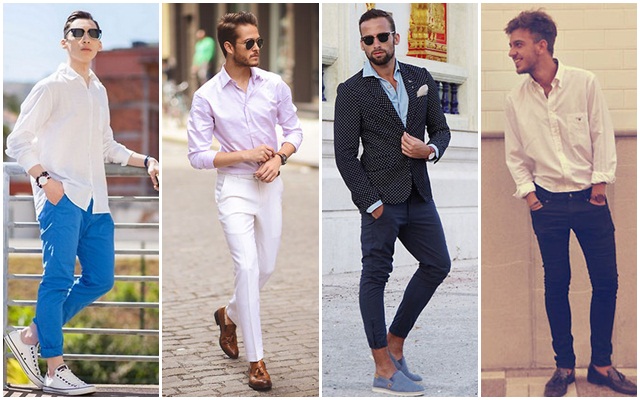
The secret to looking taller in formal wear lies in theVertical Line Theory. The goal of any great outfit is to allow the observer’s eye to travel from your shoes to your head without any visual interruptions—a concept often emphasized by style authorities like GQ. When your clothes are too baggy, or your proportions are cut in half by contrasting colors, the eye stops, making you appear shorter.
The fit is everything. For shorter men, “off-the-rack” is rarely the final stop. Precision tailoring or choosing brands specifically designed for shorter statures is essential to ensure that every garment works in harmony to elongate your frame rather than widen it.
Why is the dress shirt the foundation of your formal look?
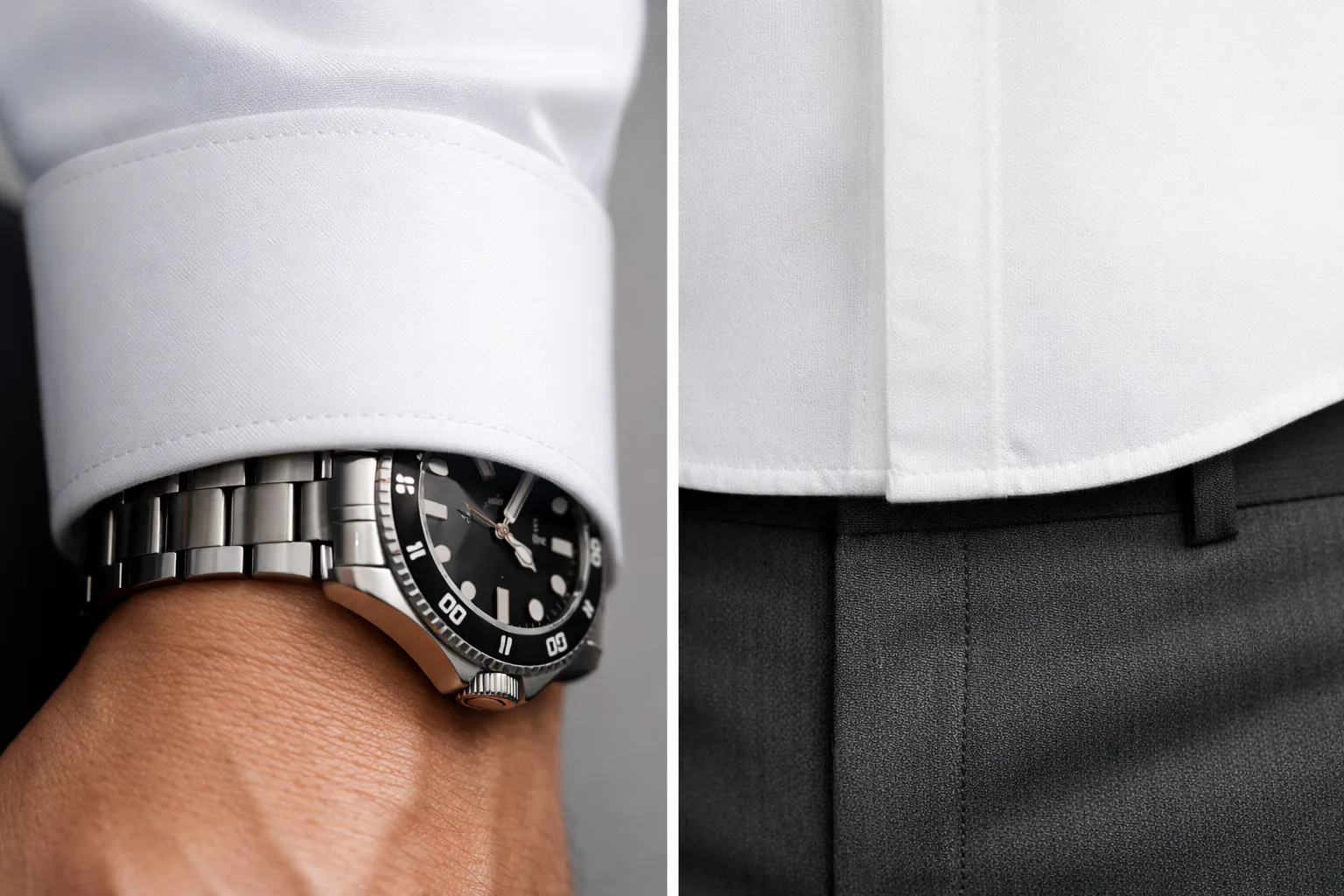
The dress shirt is the most intimate layer of your formal attire, and its fit dictates the “cleanliness” of your entire upper body. For men under 5’9″, a poorly fitted shirt creates excess fabric around the waist, which adds horizontal width and instantly makes you look shorter. To master the silhouette, you must pay attention to:
-
The Shoulder Seam: The seam must sit exactly where your arm meets your shoulder to avoid a “drooping” look.
-
Sleeve Length: Showing a hint of cuff beneath your jacket extends the visual line of your arms.
-
The Hem: A shorter hem prevents the torso from looking overly long, which in turn saves your leg line.
Finding a shirt that hits all these marks can be a challenge. If you want to dive deeper into selecting the perfect cut, check out our comprehensive guide on Dress Shirts for Short Men to find the styles that best complement your frame.
How should you choose the key components of formal attire?
How should a suit jacket fit a shorter man?
The blazer or suit jacket is the centerpiece of your look. To maximize height, follow these two rules:
-
The Length: Ensure the jacket’s hem is slightly shorter than a traditional cut. It should just barely cover your seat. A shorter jacket exposes more of your legs, which creates the illusion of height.
-
The Button Stance: Opt for a single-breasted, two-button jacket. Crucially, the “button stance” (where the top button sits) should be higher. This draws the eye upward and raises your perceived waistline.
What are the best dress pants for shorter legs?
Your dress pants can make or break your vertical line.
-
The Rise: Always choose a mid-to-high rise. Wearing pants at your natural waist rather than your hips makes your legs look inches longer.
-
The Break: Request a “No Break” or “Slight Break” from your tailor. Excess fabric bunching at the ankles (a full break) creates a “puddling” effect that stunts your height.
Why is color uniformity important?
A monochromatic or low-contrast color palette is a shorter man’s best friend. When you wear a dark navy suit with dark shoes, there is no horizontal line at the waist to cut your body in half. This creates a continuous “column of color” that is incredibly slimming and lengthening.
Why does footwear complete the formal look?
You can have a $2,000 tailored suit, but if you pair it with bulky, round-toed shoes, the entire silhouette collapses. In Canada, where formal events often require a transition from the cold outdoors to elegant indoor venues, your footwear needs to be both functional and strategic.
Should you consider elevator dress shoes?
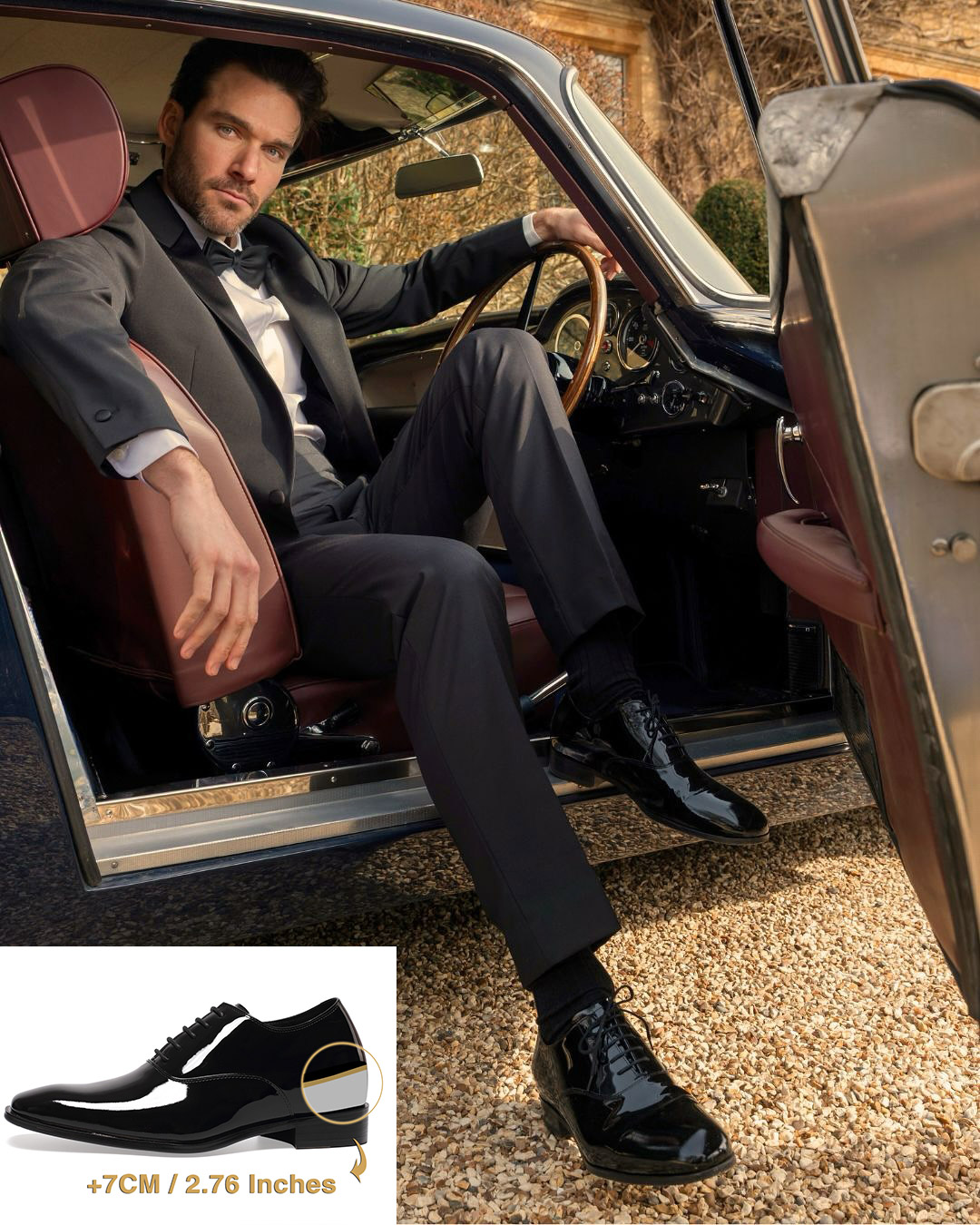
This is where physics meets fashion. High-quality Elevator Dress Shoes provide a significant advantage for shorter men. Unlike standard heels, these shoes feature an invisible internal lift that adds height without looking “chunky.”
-
The Synergy: When combined with high-rise trousers, elevator shoes naturally extend your leg line.
-
The Confidence Factor: Standing two to three inches taller allows your eyesight to align with your peers, which naturally improves your posture.
If you’re looking for the perfect pair to complete your formal ensemble, explore our curated selection of Shoes for Short Men to find the styles that best complement your frame.
FAQ: Common Questions About Formal Wear for Short Men
Should short men wear pocket squares?
Yes. Pocket squares are excellent for shorter men because they draw the observer’s eye upward toward your chest and face, away from your legs. Keep the fold neat to avoid adding bulk.
Can I wear a double-breasted suit?
Generally, no. The overlapping fabric and extra row of buttons on a double-breasted suit create horizontal width. For most shorter men, this makes the torso look boxy and compressed. Stick to single-breasted designs.
What is the best pattern for dress clothes?
Solid colors or vertical stripes (like pinstripes) are ideal. Vertical stripes act as a literal roadmap for the eye to move up and down. Avoid large windowpane checks or horizontal patterns that widen your frame.
How do I choose shoes for my formal outfit?
Prioritize shoes with a slim, slightly tapered toe box. Avoid square toes or overly rugged soles. A sleek, pointed-toe Oxford or Derby in a color that matches your trousers will provide the cleanest vertical transition.