In the quest for every possible inch of height, many young men and parents in Canada worry about environmental factors that could stunt growth. One of the most persistent myths in the locker rooms from Toronto to Vancouver is: “Does wearing tight shoes stop height growth?” As an expert in male proportions and footwear ergonomics, I hear this concern frequently. Today, we’re going to separate biological facts from footwear fiction and discuss how your shoe choice actually impacts your silhouette.
Does Wearing Tight Shoes Actually Stunt Your Physical Growth?
To answer the burning question: No, wearing tight shoes cannot stop your long bones from growing. Your height is primarily determined by genetics and systemic factors. Growth happens in the growth plates—areas of developing cartilage tissue near the ends of long bones. While these plates are the softest and weakest sections of the skeleton, they are governed by hormonal signals. The localized pressure from a tight shoe simply doesn’t have the mechanical force required to suppress the biological activity of these plates.
However, just because it doesn’t make you “shorter” doesn’t mean it’s harmless. Wearing improperly fitted shoes can lead to significant orthopedic issues, including bunions, hammer toes, and ingrown toenails, which can affect your posture and the way you carry yourself—subtly impacting your “perceived” height.
Watch: How Your Bones Actually Grow
Video credit: BBC – Exploring the biological process of bone elongation in the growth plates.
A Note on Canadian Winters:
During the harsh winters in provinces like Ontario or Quebec, many men opt for heavy, insulated boots. While these provide necessary warmth, their weight and rigidity can sometimes be mistaken for “growth-stunting” pressure. Rest assured, as long as your toes have wiggle room, even the sturdiest winter gear won’t affect your stature.
Why Does Proper Footwear Fit Matter for Your Overall Silhouette?
While tight shoes won’t stop your bones from growing, they can certainly ruin your “visual height.” When your feet are in pain, your gait changes. You may begin to slouch or walk with a shorter stride to compensate for the discomfort.
In the world of male aesthetics, posture is height. A man who stands tall and walks confidently always looks more imposing than one who is cringing from a pinched toe. If you are choosing smaller shoes in a misguided attempt to make your feet look “smaller” or “neater,” you are likely sabotaging your overall presence.
| Factor | Ill-Fitting/Tight Shoes | Properly Fitted/Elevator Shoes | Impact on Visual Height |
|---|---|---|---|
| Gait & Stride | Short, restricted, and painful steps. | Natural, confident, and steady stride. | A confident walk projects authority. |
| Posture | Slouching or leaning forward to ease pain. | Arch support keeps the spine neutral. | Adds 1-3 cm of “perceived” height. |
| Physical Lift | Zero increase (potential shrinking due to slouching). | Discreet increase of 5-13 cm. | Immediate physical & confidence boost. |
Expert Tip: Because feet naturally swell during the day, we recommend measuring your size in the late afternoon. This ensures your footwear remains comfortable during long Canadian winters or extended commutes in cities like Toronto or Vancouver.
Can the Right Shoes Provide a Safe Alternative to Growth Anxiety?
If you are searching for ways to maximize your stature, focusing on whether your shoes are “too tight” is looking at the problem from the wrong angle. Instead of worrying about what might stop growth, you should focus on what can safely and instantly enhance it.
This is where the distinction between a “tight shoe” and a “functional shoe” becomes vital. Many men try to add height by stuffing DIY lifts into standard shoes, which often leads to the very tightness and discomfort they fear.
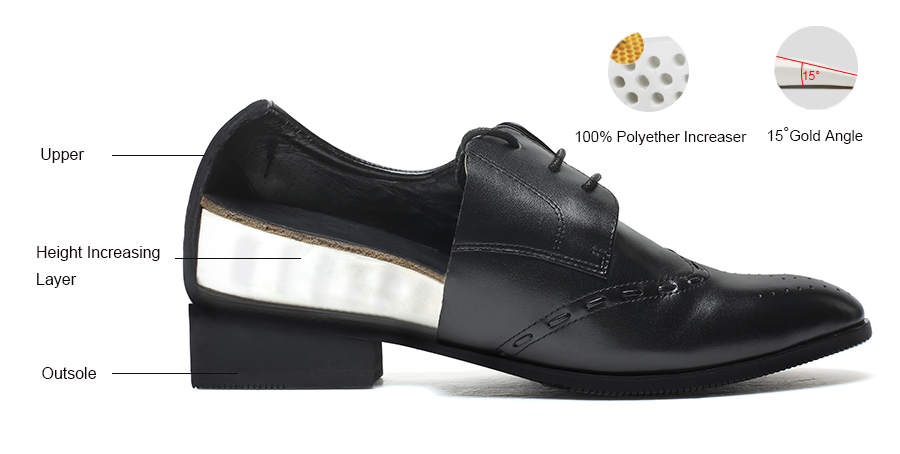
The professional solution is to opt for shoes for short men that are engineered with height-increasing technology built in. These shoes are designed with a specific internal last that provides extra vertical space, ensuring you get the 2 to 5 inches of lift you desire without the toe-crushing tightness of a makeshift setup.
How Do You Choose Shoes That Support Both Growth and Stature?
For the active Canadian lifestyle—whether you’re commuting in Calgary or attending a gala in Montreal—your footwear must serve two purposes: comfort for your feet’s health and elevation for your confidence.
-
Prioritize the Toe Box: Ensure there is a thumb’s width between your longest toe and the end of the shoe.
-
Avoid DIY Lifts in Low-Volume Shoes: If you want to look taller, don’t just add a pad to a sneaker; buy a shoe designed for elevation.
-
Invest in Ergonomics: High-quality height-increasing shoes distribute weight across the midfoot, preventing the forward-sliding motion that often makes shoes feel “too tight” at the front.
Frequently Asked Questions (FAQ)
Can wearing small shoes shrink your feet?
No, they won’t shrink your feet, but they can permanently deform the alignment of your toes and bones, leading to lifelong foot pain and posture issues.
What is the best way to look taller if my growth plates have closed?
Once biological growth stops, the most effective and healthiest way to increase height is through footwear. Professional shoes for short men provide an immediate, invisible boost that looks completely natural from the outside.
Does sleeping in socks or tight shoes affect height?
This is a total myth. Your growth happens during deep sleep cycles through the release of Growth Hormone (GH). Your footwear has zero impact on this hormonal process.
Why do my shoes feel tight even though they are my size?
Different brands use different “lasts” (the foot mold). If you have a wider foot, North American standard D-widths might feel tight. Always measure your feet in the afternoon when they are at their largest.
Are elevator shoes bad for your feet?
Only if they are poorly made. High-quality elevator shoes are ergonomically designed to support the arch and heel, providing a safer and more comfortable experience than putting separate lifts into regular shoes.